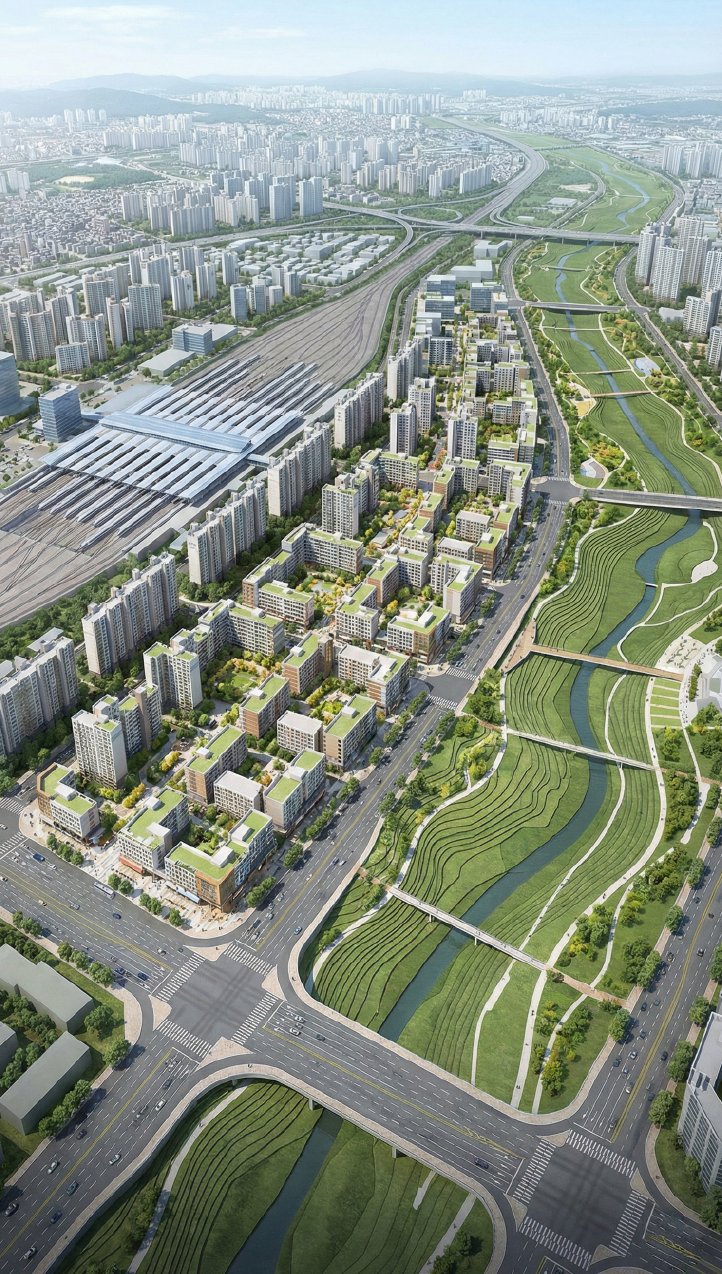
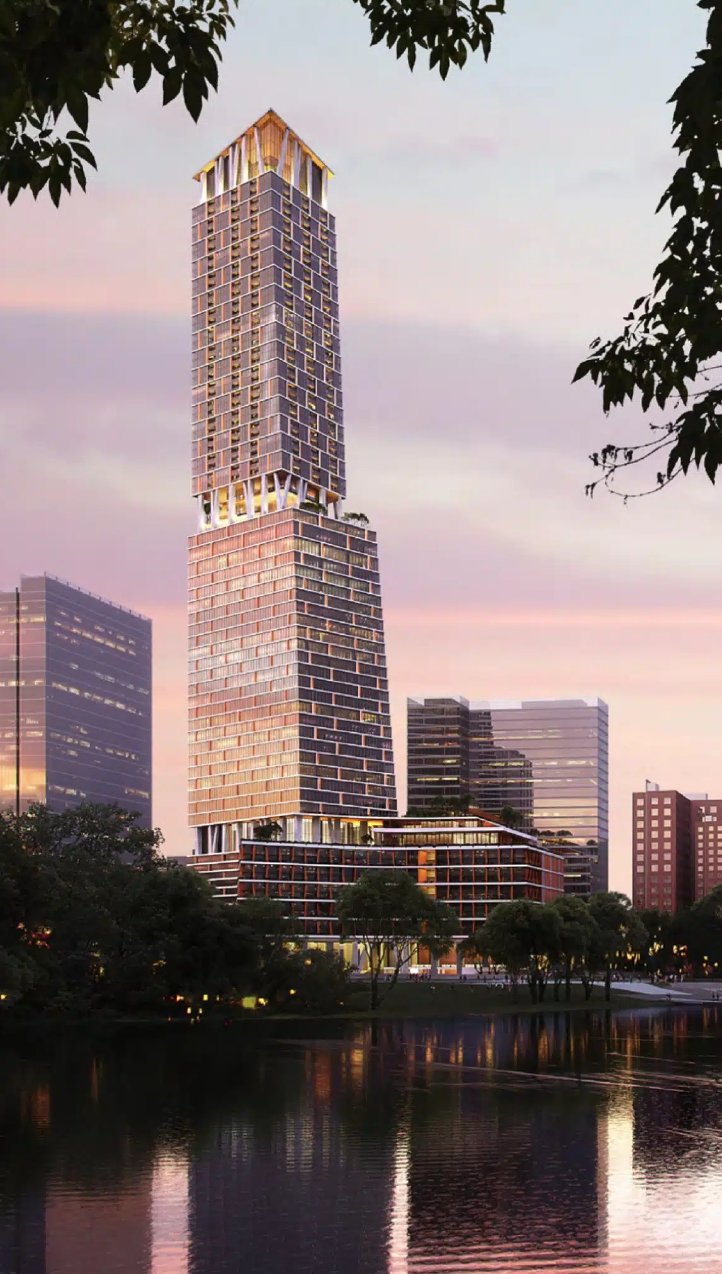
Let’s be honest for a second. Remember 2024? Back then, a high-resolution, perfectly lit JPEG of a modern farmhouse was usually enough to get a “wow” from a client and a signature on a contract. It was the golden age of the “pretty picture.”
But if you are reading this in 2026, you know the game has changed. The market is louder, faster, and frankly, a lot more demanding. We are living in a scroll-heavy world where potential homebuyers and investors swipe past generic content faster than you can say “open concept.” Today, a static image that looks too perfect-too sterile-doesn’t just fail to impress; it effectively becomes invisible.
This year, the architectural visualization trends dominating the industry aren’t just about higher pixel counts or glossier reflections. They are about creating an experience. It is about psychology, immersion, and storytelling.
For architects, developers, and realtors across the United States, this shift presents a massive opportunity. If you are still relying on the visualization standards of two years ago, you are leaving money on the table. But if you adapt, you can presell projects before the ground is even broken.
In this deep dive, we are going to explore the top 5 architectural visualization trends that are reshaping the architecture visualization industry in 2026. We will look at how to future-proof your portfolio, engage the modern buyer, and why “imperfection” might just be your biggest sales asset.
ArchViz Trend #1: “The Lived-In Look” (Cinematic Storytelling)
If you walk into a model home and it feels like a museum where you can’t touch anything, do you feel comfortable? Probably not. The same logic applies to digital rendering.
For years, the standard was “pristine.” No wrinkles on the bedsheets, no coffee cups on the table, no shoes by the door. But in 2026, we are seeing a massive pivot toward “The Lived-In Look.” This is the art of organized chaos. It is the visual cue that says, “Humans actually live here.”
Why does this matter? Because real estate sales are emotional, not logical. When a potential buyer sees a render of a kitchen with a half-sliced loaf of bread on the counter and steam rising from a kettle, their brain stops processing “geometry” and starts processing “home.”
This trend relies heavily on what we call cinematic storytelling. It is about atmospheric rendering, using fog, rain on a window, or the golden hour sun hitting dust motes in the air to create a mood. It moves away from the clinical “architectural documentation” style and moves toward “narrative lighting.”
By embracing imperfection, a throw blanket tossed carelessly on a sofa or a book left open on a nightstand, you aren’t just showing a room dimensions; you are selling a lifestyle. This approach is rapidly becoming the gold standard in the architecture visualization industry because it bypasses the skeptical brain and hits the buyer right in the feelings.
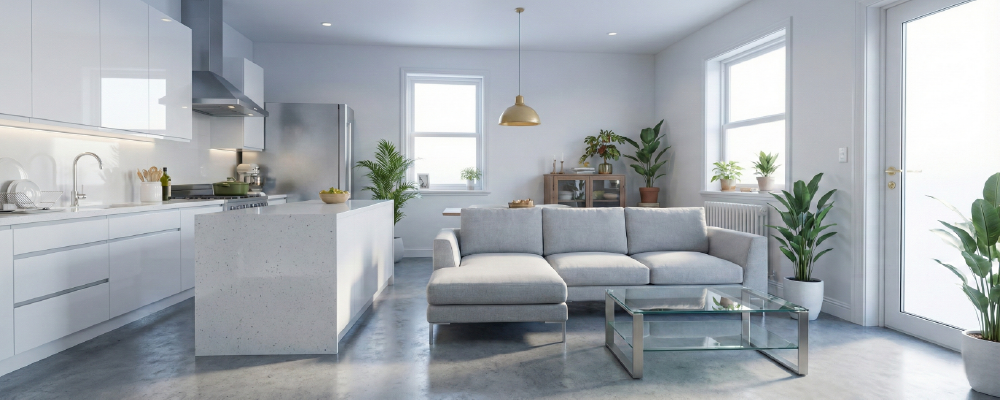
ArchViz Trend #2: AI-Assisted Workflows (Evolution, not Replacement)
Let’s address the elephant in the room. Is Artificial Intelligence going to replace the 3D artist?
The short answer is: No. The long answer is: No, but it is making the best artists much, much faster. If you want to read more about this topic explore our article “Will AI Replace Architects? Exploring the Human-AI Collaboration in Architecture“.
In 2026, AI in architectural visualization has matured from a scary buzzword into a powerful production assistant. We aren’t talking about typing a prompt and getting a finished construction document (we wish!). We are talking about AI-assisted workflows that handle the tedious parts of the job, like texture generation, denoising, or populating a scene with realistic crowds, so the human artist can focus on design and composition.
As noted in the insights on Chaos Group’s recent analysis of ArchViz trends, the integration of smart tools is inevitable and essential for staying competitive. Industry leaders are highlighting that technology is streamlining the technical side, allowing artists to focus on pure creativity.
This is a crucial distinction for developers and architects. You don’t want a “robot” designing your luxury condo tower. You want a human expert who uses AI to iterate through ten lighting scenarios in the time it used to take to do one.
The trend here is “Hybrid Workflows.” It is the marriage of human artistic direction with machine speed. This allows for faster turnaround times without sacrificing the nuance that sells high-end property. Speed is up, yes, but the “human touch” remains the premium differentiator that separates a generic image from a masterpiece.

Mid-Article Bridge: Finding the Right Partner
We have talked about cinematic storytelling and the explosion of AI tools. It sounds exciting, but it can also be overwhelming. With so much new technology flooding the market, how do you distinguish between a studio that uses these tools to enhance quality and one that uses them to cut corners?
It is crucial to pick a partner who understands both the design technicalities and the marketing realities. You need a team that speaks the language of Unreal Engine 5 architecture but also understands “ROI” and “Cap Rate.”
If you are feeling a bit confused by the tech specs or unsure what questions to ask a potential vendor, we have you covered. Check our comprehensive guide on How to Choose the Right 3D Rendering Company. It breaks down exactly what to look for to avoid costly mistakes and ensure your vision is translated correctly.
ArchViz Trend #3: Immersive VR & The “Digital Twin” Experience
We live in a 3D world, yet for decades, we have tried to sell it using 2D images. That friction is finally disappearing.
One of the most dominant architectural visualization trends of 2026 is the democratization of Virtual Reality architecture. We aren’t just talking about putting on a clunky headset in a sales office (though that still has its place). We are talking about web-based, mobile-friendly immersive 3D architectural walkthroughs.
Think of it as the “Digital Twin” experience. This trend is exploding in the pre-construction sales market. Imagine a developer in Miami selling a condo to a buyer in New York. Sending a PDF brochure is fine. Sending a link where the buyer can “walk” through the kitchen, look up at the ceiling height, and step out onto the balcony to see the exact view they will have? That is a closing tool.
This technology allows clients to understand scale and flow in a way that floor plans never could. It reduces anxiety (“Will the hallway feel dark?”) and builds confidence (“I can see exactly how my furniture fits”).
At Xpress Rendering, we have seen this shift firsthand. Our VR 360 services allow for this exact capability, optimized to run smoothly on smartphones so your clients can tour their future home from the backseat of an Uber. It is no longer a gimmick; it is a standard expectation for luxury developments.

ArchViz Trend #4: Biophilic & Sustainable Visualization
Sustainability is no longer a “nice-to-have” feature; it is the baseline expectation for modern construction in the US. Consequently, it has become a massive visual trend.
In 2026, “Biophilic Design”, the concept of bringing the outdoors in, is everywhere. But here is the catch: rendering nature is incredibly difficult. It is easy to render a concrete wall. It is very hard to render a vertical garden that looks alive, organic, and expensive, rather than like a repeating wallpaper pattern.
The trend here is “Hyper-realistic Greenery.” Renders must accurately depict sustainable materials, natural light integration, and heavy vegetation. We are seeing a demand for visualizations that show how a building interacts with the environment, how the rain harvesting system looks, or how the solar glass reflects the sky.
This pushes the limits of software and skill. “Greenwashing” your renders, just slapping a generic tree in the corner, won’t work anymore. Buyers are savvy. They want to see the texture of the reclaimed wood and the density of the rooftop garden. Real-time rendering for architecture has stepped up to meet this challenge, allowing us to simulate complex light interactions through leaves and water, validating the green design strategy before a single seed is planted.

ArchViz Trend #5: Short-Form Video Animation (The “Social Media” Render)
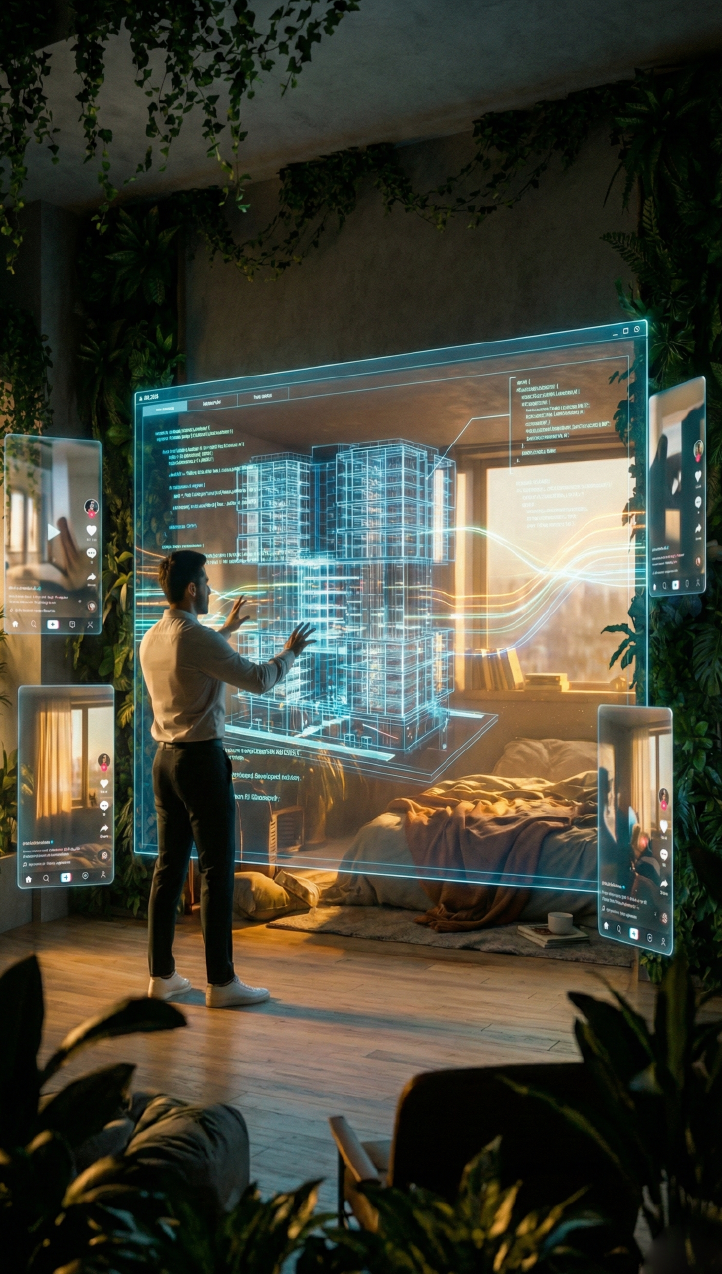
Welcome to the “TikTok-ification” of architecture.
If you are a realtor or developer, you know that the algorithm loves video. Instagram Reels, TikTok, LinkedIn video, these are the engines driving traffic in 2026. A static image gets viewed for 1.5 seconds. A video loops.
This has given rise to the trend of Short-Form Architectural Animation. We aren’t talking about the old-school, 5-minute slow fly-throughs that put people to sleep. We are talking about punchy, 15-to-30-second clips.
Think of a loop showing the morning light sweeping across a living room floor. Or a quick cut of a sliding door opening to a pool deck. Or a timelapse of the building transitioning from day to night.
This is where Unreal Engine 5 architecture shines. Because of real-time rendering capabilities, we can produce these high-quality video assets much faster than traditional methods allowed.
These “snackable” video assets are crucial for digital marketing campaigns. They stop the scroll. They are shareable. And they convey the vibe of a project instantly. If you aren’t producing video content for your development, you are practically invisible on social media.

The Xpress Rendering Advantage: Transforming Trends into Sales
Knowing the trends is one thing. Executing them in a way that drives sales is another.
At Xpress Rendering, we don’t just follow these trends; we build our workflow around them. We understand that you aren’t buying a render; you are buying a marketing asset. Whether it is a Cinematic Animation that captures the “lived-in” emotion, a VR tour that closes a remote buyer, or a hyper-realistic image of a sustainable complex, we turn your blueprints into a digital reality.
We combine the latest tech, from AI-assisted texturing to real-time engines, with a deep understanding of the US real estate market. We know what sells.
Ready to elevate your next project and stop the scroll? Let’s discuss your vision.
Frequently Asked Questions about ArchViz Trends
-
What is the biggest trend in architectural visualization for 2026?
The shift toward Immersive VR experiences and Cinematic Storytelling. Clients no longer want static images; they want interactive tours and renders that evoke emotion through realistic lighting and “lived-in” details.
-
Will AI replace 3D rendering artists?
Unlikely. While AI tools accelerate textures and lighting setup, the architectural accuracy and emotional narrative required for high-end real estate marketing still demand skilled human oversight to ensure the final product meets construction and design standards.
-
Why is video animation becoming more popular than static rendering?
Social media algorithms prioritize video content. Short-form architectural animations (15-30 seconds) engage potential buyers significantly longer than static images, increasing lead conversion for developers and realtors on platforms like Instagram and LinkedIn.
-
How does 3D rendering help in sustainable architecture?
High-quality visualization helps architects demonstrate the effectiveness of natural lighting, vertical gardens, and eco-friendly materials to stakeholders before construction begins. It validates the green design strategy visually, making it easier to secure approval or funding.
-
Is VR rendering expensive for small projects?
Not anymore. With advancements in rendering software, VR 360 tours have become a cost-effective marketing tool. They offer a high ROI by speeding up the client approval and sales process, reducing the need for physical model homes.
-
How do I choose the right architectural visualization studio?
Look for a studio that offers more than just low prices. Prioritize portfolios with “storytelling” elements, clear communication processes, and the ability to deliver diverse assets like VR and Video. (See our guide on choosing the right company for more details).
Conclusion About ArchViz Trends
In 2026, the gap between a missed opportunity and a signed contract is the quality of your visual story. By embracing these trends, from AI efficiency to immersive VR, you position your projects not just to be seen, but to be felt and bought. Don’t just show a building; sell the experience.