Article Summary
This comprehensive guide explores the intersection of environmental responsibility and high-tech visualization in the US AEC industry. We define what is sustainable architecture, break down how 3D rendering for green buildings secures USGBC LEED points, and explain why BIM services for LEED are the secret weapon for modern developers. Discover how eco-friendly architectural visualization transforms abstract green concepts into high-ROI reality.
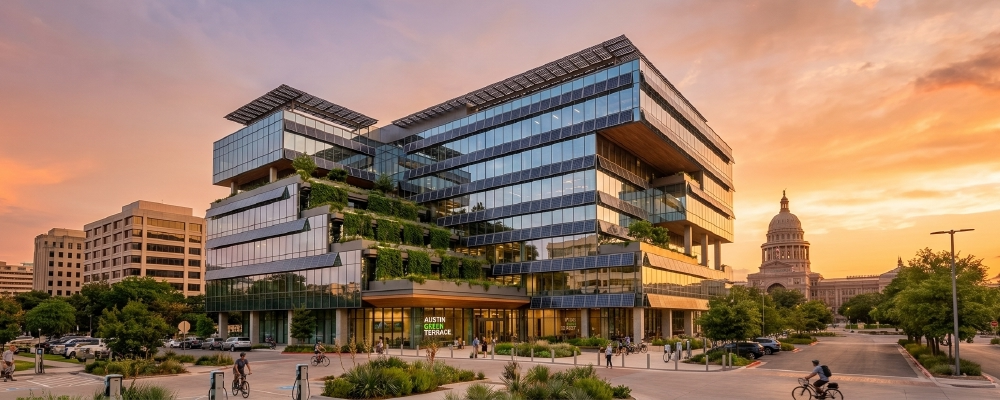
In the high-stakes world of United States real estate, “Green” has officially transitioned from a trendy buzzword to a mandatory gold standard. Whether you are developing a multi-family complex in the heart of Austin, designing a coastal retreat in Miami, or retrofitting a commercial tower in Manhattan, the market is demanding more. Environmental regulations are tightening, and buyers are no longer just looking at square footage—they are looking at carbon footprints. This shift brings us to a fundamental question for every AEC professional: What is sustainable architecture, and how can we effectively prove its value to stakeholders before the first shovel hits the ground?
For architects, developers, and realtors, the challenge isn’t just about designing a building that works; it’s about selling a vision of the future. In an era where sustainable architectural design US standards are evolving daily, eco-friendly architectural visualization has become the bridge between an abstract eco-concept and a closed deal. High-end 3D rendering doesn’t just show a building; it showcases a commitment to the planet.
Defining the Future: What is Sustainable Architecture?
To understand the current market, we have to start with the basics. What is sustainable architecture? At its core, it is a design philosophy that aims to minimize the negative environmental impact of buildings through improved efficiency and moderation in the use of materials, energy, and development space. It is the art of creating a harmonious balance between our built environment and the natural world.
In the United States, sustainable architecture is often measured by the “Triple Bottom Line”: People, Planet, and Profit. For a builder or developer, this isn’t just about “doing the right thing.” It’s about ROI. According to the U.S. Green Building Council (USGBC), LEED-certified buildings command higher asset values, attract better tenants, and significantly lower long-term operational costs. When someone asks, what is sustainable architecture? they are essentially asking how we can build smarter to live better.
However, explaining the nuances of passive solar heating or the benefits of greywater recycling to a non-technical investor can be like explaining quantum physics to a toddler. This is where LEED certification visualization becomes an architect’s most powerful communication tool. You aren’t just telling them it’s green; you are showing them the light, the texture, and the soul of a sustainable space.
The LEED Factor: Visualizing Certification Success
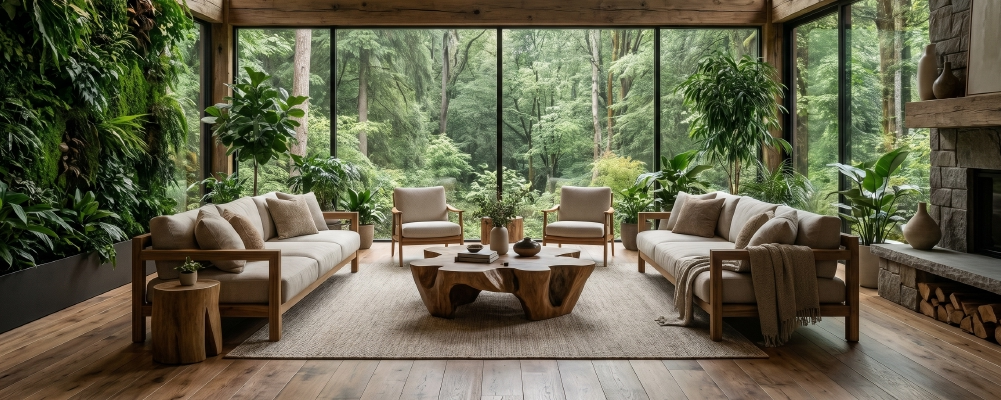
Achieving a LEED (Leadership in Energy and Environmental Design) certification requires more than just good intentions; it requires rigorous documentation and extreme precision. In the US, moving from “Certified” to “Platinum” status can hinge on very specific design choices. This is where 3D rendering for green buildings acts as a digital twin, validating sustainable choices long before construction begins.
Daylighting Analysis and Passive Design
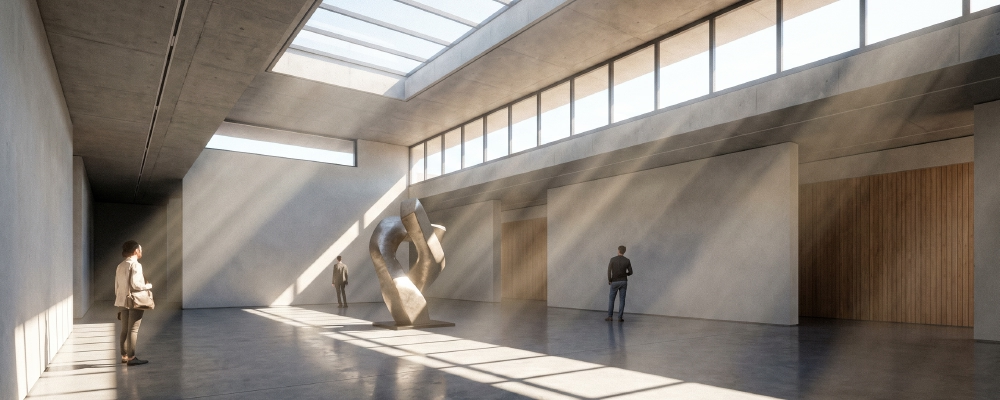
One of the primary ways to earn USGBC LEED points is through effective daylighting. What is sustainable architecture if not the clever use of the sun? Photorealistic renders allow architects to simulate exactly how natural light will interact with interior spaces at different times of the year. By showing a developer how a specific window placement reduces the need for artificial lighting, you are providing visual proof of energy savings. This level of 3D modeling for energy efficiency is crucial for modern approval processes.
Material Transparency and Aesthetics
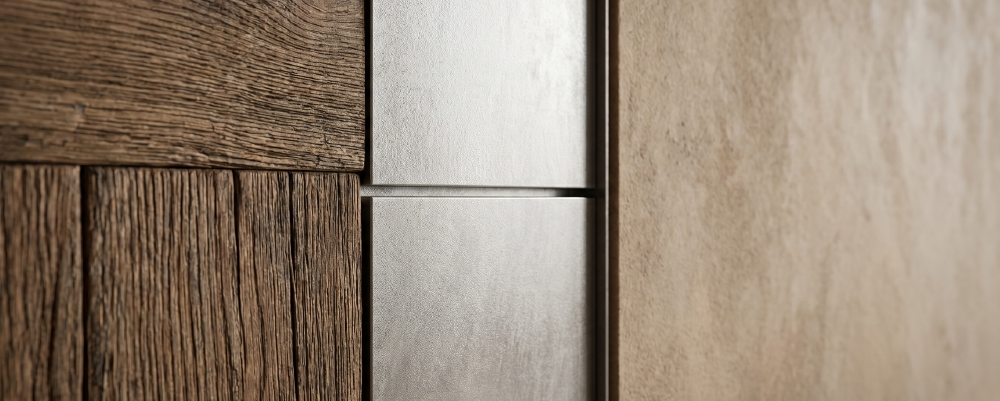
In the past, “sustainable” often meant “utilitarian” or “boring.” Not anymore. Modern eco-friendly architectural visualization allows designers to showcase the stunning aesthetic of reclaimed timber, low-VOC (volatile organic compound) finishes, and recycled metal facades. When a realtor can show a potential buyer a high-resolution render of a kitchen featuring sustainable bamboo flooring and recycled glass countertops, the “green” aspect becomes a luxury selling point rather than a compromise.
Integrating with the Local Landscape
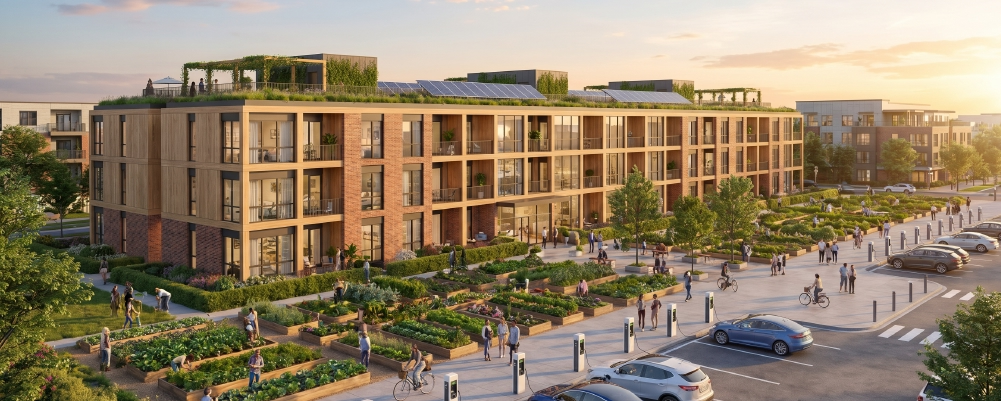
GEO-specific design is a massive part of sustainable architecture. A project in the desert of Arizona has vastly different requirements than one in the humid climate of Florida. Renders help developers visualize how a structure respects local topography, utilizes native vegetation for cooling, and fits into the existing urban fabric. To see how these principles are applied in real-world scenarios, check out these 10 Sustainable Architecture Practices Every Modern Architect Should Know.
Bridging the Gap Between Concept and Reality
The tech that makes a building sustainable is often “invisible.” How do you show a client a geothermal heat pump or the efficiency of a high-performance building envelope? You can’t exactly take them on a tour of the insulation. However, what is sustainable architecture without these vital components? For a developer pitching a multi-family project in a competitive market like Miami or Seattle, these “invisible” features need to be “seen” to be sold.
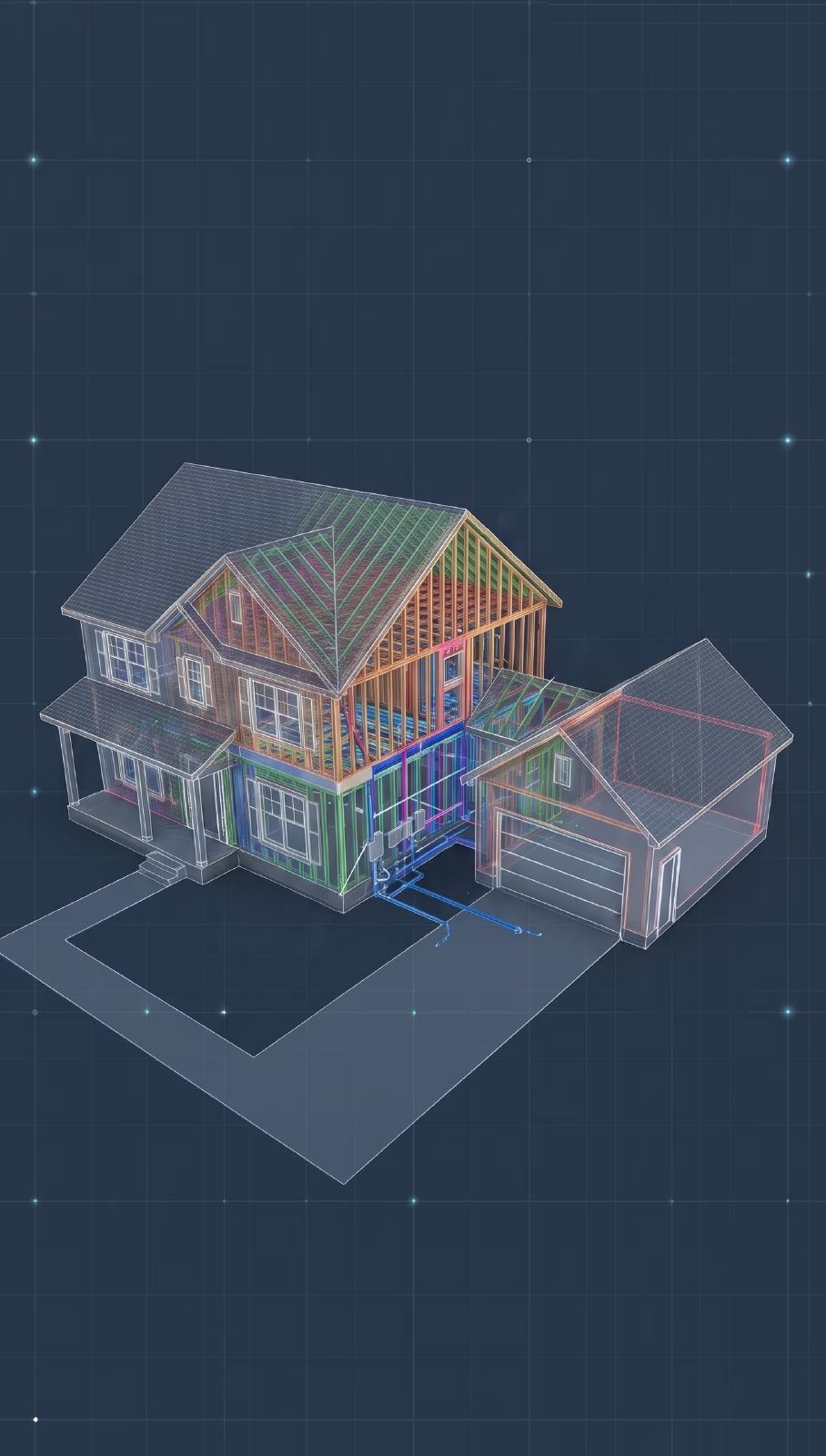
By utilizing 3D rendering for green buildings, firms can pull back the curtain. You can create cut-away views showing the insulation layers or use color-coded thermal visualizations to demonstrate how the building holds heat. This makes the technical brilliance of your design accessible to everyone. We are currently seeing a massive shift in the US industry, as highlighted in these 10 Groundbreaking Sustainable Architecture Projects Shaping the Future of Architectural Design, where high-end aesthetics and environmental ecology coexist in perfect harmony.
Industry Insight: The American Institute of Architects (AIA) frequently points out that the building sector is responsible for nearly 40% of global greenhouse gas emissions. When we ask what is sustainable architecture? we are looking for the primary lever to flip that script. Visualization is the tool that convinces the money-movers to pull that lever.
The Psychology of the Green Sale: For Realtors and Developers
If you are a realtor in the US today, you know that Millennials and Gen Z are becoming the dominant force in the home-buying market. For these generations, the answer to what is sustainable architecture? is often the deciding factor in a purchase. They aren’t just buying a home; they are buying into a lifestyle that matches their values.
Using 3D rendering for green buildings allows realtors to market properties that aren’t even built yet with an “eco-luxury” angle. You can highlight the smart home integrations that track energy usage or the community garden spaces that foster local ecosystems. When you can visually articulate what is sustainable architecture through a high-fidelity walkthrough, you are removing the friction from the sales process. You are providing a sense of certainty in an uncertain market.
The Invisible Hero: From 3D Renders to BIM Coordination
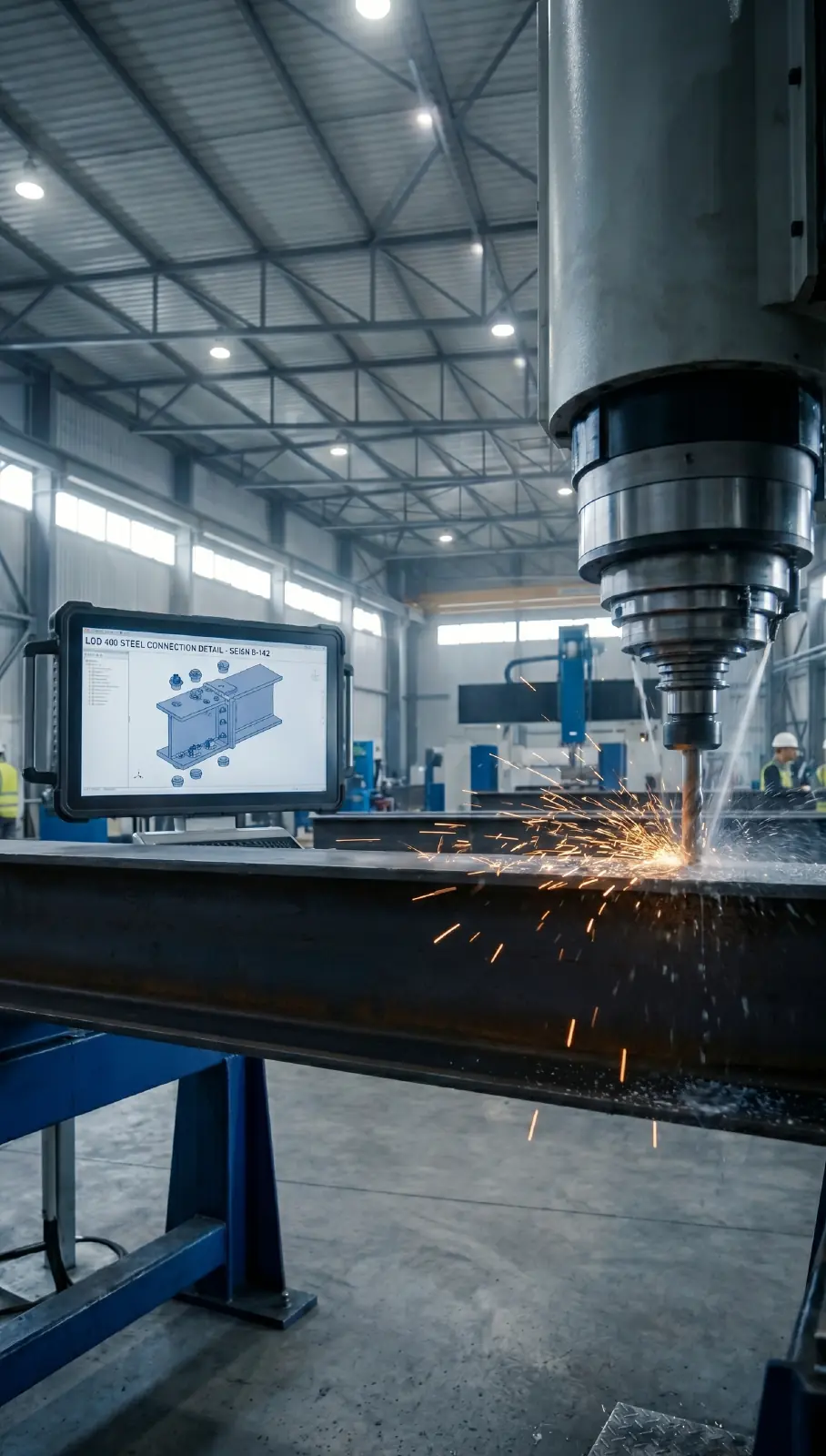
While a stunning 3D render wins the heart and mind of the client, BIM services for LEED win the battle in the trenches of construction. In the US market, a LEED certification is often won or lost in the “clash detection” phase. Imagine this: you’ve designed a world-class sustainable HVAC system, but during construction, it interferes with a major structural beam. The resulting waste, extra materials, and delays don’t just hurt your wallet; they hurt the building’s green rating.
This is where the synergy between visual beauty and technical data becomes vital. When we discuss what is sustainable architecture, we have to talk about precision. Integrating 3D modeling for energy efficiency with precise BIM coordination ensures that what you see in the render is exactly what gets built—on time, on budget, and with zero material waste. It is the ultimate insurance policy for your green reputation.
For the modern builder, BIM services for LEED mean fewer “change orders” and a much cleaner job site. It turns the complex question of what is sustainable architecture into a streamlined, executable plan. By identifying conflicts in a digital environment, we prevent physical waste in our real environment.
Bring Your Sustainable Vision to Life
Don’t let your green designs get lost in translation. Whether you are aiming for LEED Platinum or building the next generation of eco-homes, our world-class 3D rendering for green buildings and BIM services ensure your project is seen, understood, and approved.
The Real Estate Ripple Effect: Why GEO-Optimization Matters
In the US, what is sustainable architecture is heavily influenced by geography. A “green” home in the Pacific Northwest looks very different from one in the Southeast. For developers, this means that your marketing and visualization must be GEO-optimized.
Using sustainable architectural design US standards tailored to specific regions is a game-changer. If you are developing in California, your renders should emphasize drought-resistant landscaping and graywater systems. If you are in the Northeast, the focus shifts to high-R-value insulation and thermal massing. What is sustainable architecture in one zip code might be a secondary concern in another. By working with a visualization partner that understands these regional nuances, you ensure your project resonates with local planning boards and buyers alike.
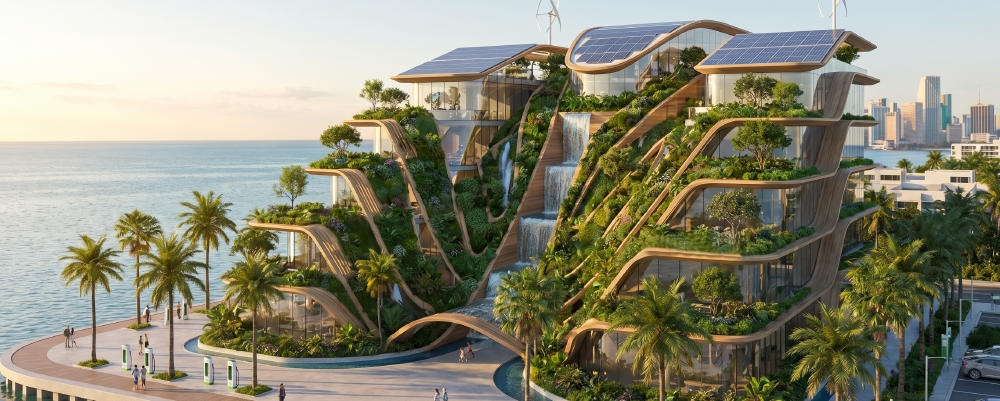
Conclusion: The Future is Visual and Sustainable
As we have explored, the answer to what is sustainable architecture? is multifaceted. It is a mix of ancient wisdom (like sun orientation) and cutting-edge technology (like 3D modeling for energy efficiency). It is a commitment to the future that pays dividends in the present.
For the architects, builders, and developers of America, the path forward is clear. To succeed in a market that values transparency and environmental impact, you need tools that can communicate your genius. 3D rendering for green buildings and BIM services for LEED are no longer optional—they are the standard. By showing the world what is sustainable architecture through high-fidelity visualization, we aren’t just selling buildings; we are building a better world, one frame at a time.
Ready to take your next project to the next level of precision and beauty? At Xpress Rendering, we specialize in the technical and artistic nuances of the American AEC industry. Let’s make your sustainable vision undeniable. Check out our BIM Services for seamless project coordination today.
Frequently Asked Questions (FAQs)
-
What is sustainable architecture and why is it important in the US?
It is the practice of designing and building structures that minimize environmental impact. It is crucial in the US because buildings account for a huge portion of energy consumption and carbon emissions. LEED certification helps mitigate this while increasing property value.
-
How does 3D rendering help earn USGBC LEED points?
3D rendering helps visualize and calculate credits for daylighting, quality views, and material selection. By providing LEED certification visualization, architects can prove to reviewers that their design meets the specific requirements for energy efficiency and occupant comfort.
-
Can 3D modeling for energy efficiency really predict building performance?
Yes. Modern 3D modeling for energy efficiency uses advanced algorithms to simulate sun paths, airflow, and thermal transfer. This allows designers to tweak the building’s orientation or window sizes to maximize performance before construction starts.
-
What are the benefits of BIM services for LEED projects?
BIM services for LEED provide a centralized data model that tracks every material and component. This reduces waste, ensures that eco-friendly materials are used as specified, and simplifies the complex documentation required for final LEED approval.
-
Is eco-friendly architectural visualization only for large commercial projects?
Absolutely not. Eco-friendly architectural visualization is increasingly used for residential home builders and interior designers to show clients how sustainable choices—like solar panels or recycled finishes—will look and function in a private home.
-
How does geographic location (GEO) affect what is sustainable architecture?
Sustainability is relative to the environment. In the US, a sustainable design must account for local climate factors (humidity, extreme heat, or heavy snow). Visualization helps stakeholders see how the building adapts to its specific GEO-location for maximum efficiency.