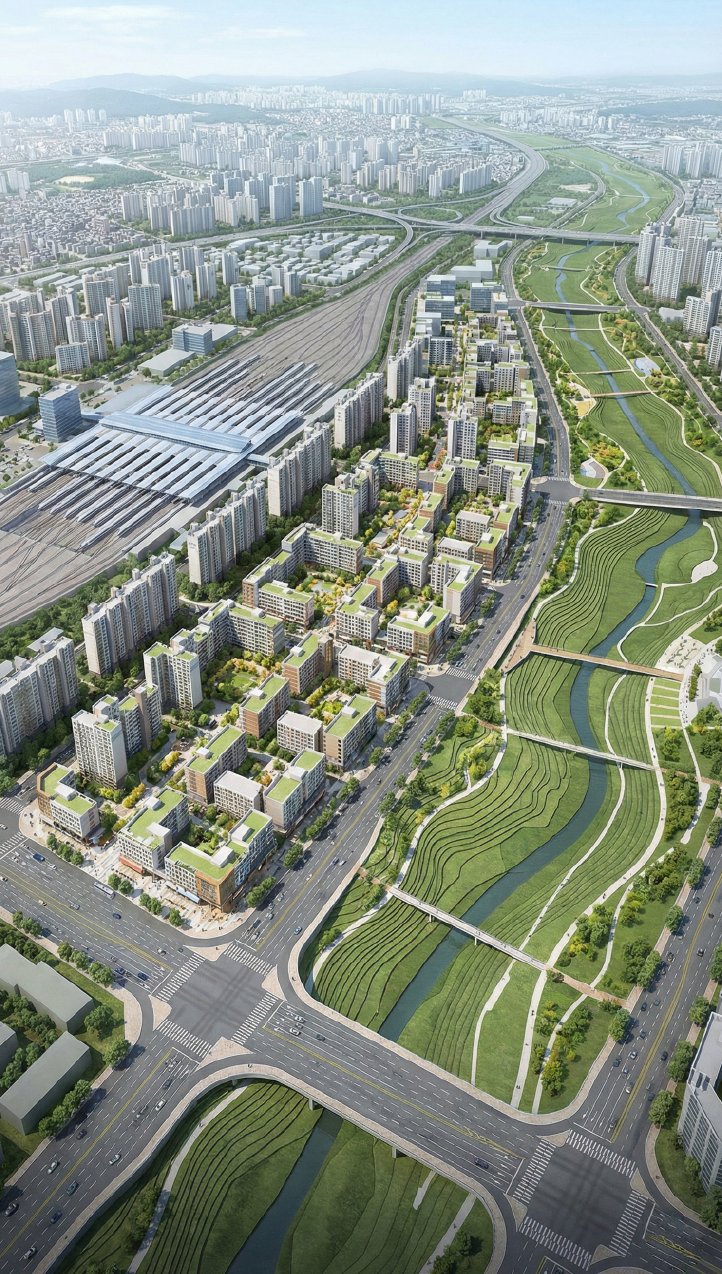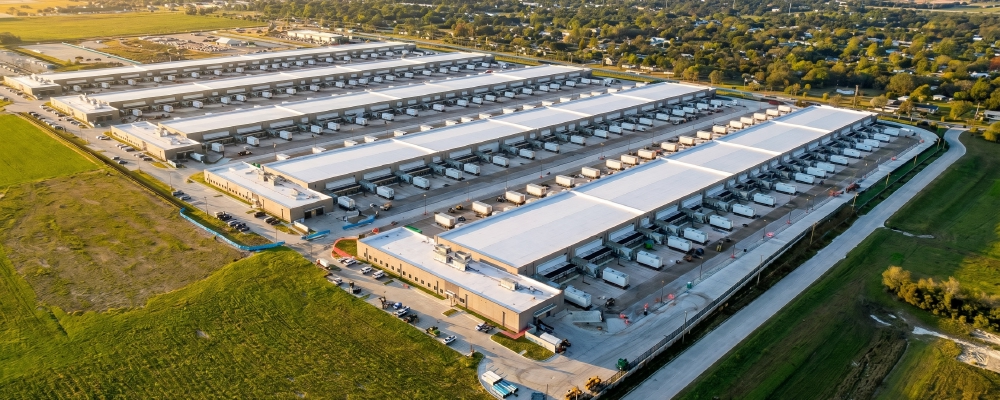
The AI revolution is here, and it is incredibly hungry. Across the United States, from the tech corridors of Silicon Valley to the sprawling infrastructure hubs in Northern Virginia and Texas, the race is on to build the facilities that power everything from smart cities to generative AI. But here is the reality check for developers, architects, and general contractors: data center construction is not your average commercial build.
Building a modern tech facility is like constructing a massive, breathing organism. The mechanical, electrical, and plumbing (MEP) systems act as the veins and lungs, keeping millions of dollars’ worth of servers cool and power flowing flawlessly twenty-four hours a day, seven days a week. One tiny miscalculation, or one unforeseen spatial conflict between critical systems, and your project bleeds millions of dollars in rework, wasted materials, and delayed launch dates.
So, how do the top tier US developers and architectural firms build hyperscale properties and agile edge computing nodes on time and strictly under budget? They completely stop relying on outdated 2D blueprints. Instead, they start leveraging expert BIM (Building Information Modeling) services to foresee the unseen.
Here is exactly how intelligent 3D modeling and advanced BIM workflows are completely transforming data center construction, turning massive architectural risks into predictable, highly profitable successes for real estate professionals across the country.
The New Era of Data Center Architecture: Beyond the “Gray Box”
Gone are the days when a tech facility was just an ugly, windowless concrete bunker sitting on the outskirts of a forgotten industrial park. Today’s architectural landscape demands serious innovation. Real estate developers, architects, and interior designers are collaborating to create facilities that are not only hyper-efficient but also visually compelling, community-friendly, and profoundly sustainable.
Currently, we are seeing two massive trends taking over the US real estate and commercial tech markets:
- Modular Data Center Design: Scaling up fast by pre-fabricating complex, standardized components off-site and dropping them into place like high-tech Lego blocks.
- Adaptive Reuse and Edge Computing Architecture: Repurposing historic, abandoned, or underutilized urban buildings into agile edge data centers to bring vital processing power much closer to the end-user in densely populated metropolitan areas.
However, retrofitting a classic 1920s brick warehouse to securely hold massive 2026-era server racks is an architectural tightrope walk. To pull this off successfully, you need an exact, millimeter-perfect digital replica of the physical space before a single hammer swings or a single trench is dug. According to extensive industry insights tracking U.S. commercial real estate and tech market trends at CBRE, speed-to-market is the ultimate competitive advantage right now. In the fierce landscape of data center construction, you simply cannot afford the crippling delays caused by unforeseen spatial conflicts.

Navigating the Labyrinth: Why MEP Coordination is Non-Negotiable
If you are a traditional architect or a residential home builder scaling up into the world of commercial tech infrastructure, the sheer volume of utilities required in data center construction will likely shock you. It is a completely different ballgame. The cooling systems alone are a massive logistical puzzle, tightly monitored and guided by strict standards set by the U.S. Department of Energy to ensure maximum energy efficiency and minimal environmental footprint.
This intricate web of utilities is exactly where expert BIM services step in as the ultimate tool for construction risk management. By creating a highly collaborative, cloud-based 3D environment, BIM allows structural engineers, architectural designers, and MEP contractors to work simultaneously without stepping on each other’s toes.
But let us be completely clear: BIM is much more than just a fancy 3D model that looks good in meetings. To truly understand how this specific technology directly impacts project scheduling, labor deployment, and lifecycle cost management, it helps to look at the much bigger picture. If you want to dive deeper into how industry leaders track both time and costs within these complex digital models, I highly recommend checking out our comprehensive guide on the 7 Crucial BIM Dimensions Explained: From 3D to 7D Construction.
Dodging the Wrecking Ball: Clash Detection and Cost Reduction
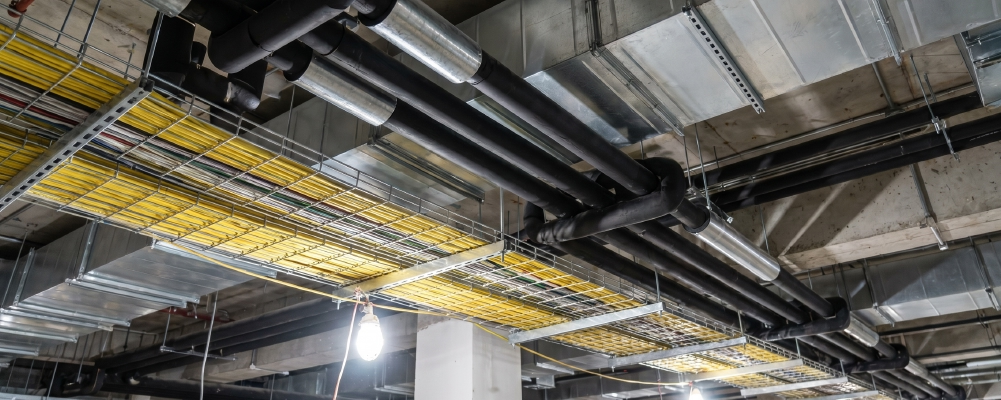
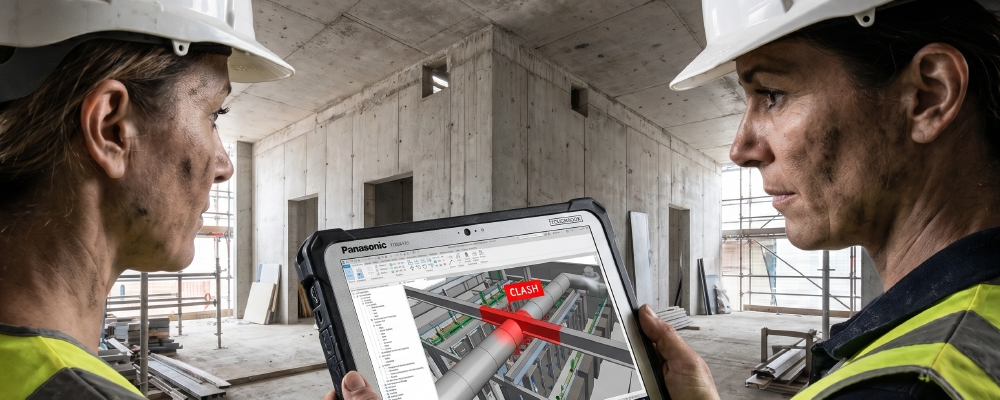
Picture this scenario: You are a general contractor overseeing a massive build in Texas. You find out that your primary HVAC ductwork runs straight through a load-bearing structural steel beam. The worst part? You found out while you are already standing on the active construction site, with fifty workers on the clock waiting for instructions. The cost to fix that mistake in the field? Astronomical. The hit to your reputation? Even worse.
This is the nightmare that data center construction teams dread. Thankfully, expert BIM services utilize highly automated clash detection during the pre-construction phase to ensure this never happens. Sophisticated software environments, particularly Revit BIM models, identify these physical collisions inside the digital twin long before the concrete is poured.
Fixing a massive pipe clash on a computer screen costs a few hours of an engineer’s time. Fixing that exact same clash on an active building site costs thousands of dollars in wasted materials, emergency labor rates, and critical downtime.
Of course, dealing with modern hyperscale data centers means dealing with incredibly dense, data-heavy files that can overwhelm average computer systems. If your architectural or engineering team is constantly struggling with software lag, crashes, and unmanageable heavy digital environments, you are certainly not alone. To keep your project moving forward, we highly recommend implementing these 11 Best Practices for Managing Large BIM Models in Revit to keep your daily workflows remarkably smooth and completely crash-free.
Data Centers Construction: Massive Operating Systems
To fully grasp why these facilities require such intense MEP coordination, you have to stop looking at them as traditional buildings. A modern facility—whether it is a sprawling hyperscale hub or a compact node for edge computing architecture—is essentially a living, breathing operating system.
In practical terms, this extreme complexity means that US construction teams and developers must meticulously plan for factors that go far beyond basic structural integrity. A successful build demands hyper-focus on:
- Continuous System Reliability & Electrical Redundancy: Ensuring backup power flows without a single hitch during grid failures.
- Optimized Cooling Efficiency: Managing the extreme heat generated by dense server racks to prevent catastrophic hardware meltdowns.
- Strict Maintenance Clearances: Guaranteeing that technicians can actually reach and service the equipment once the facility is fully live.
- Smart Installation Sequencing: Knowing exactly which MEP component goes in first to prevent spatial logjams on the construction site.
- Accurate As-Built Documentation: Delivering a flawless digital twin for future facility management and potential expansions.
This level of granular, proactive planning is not just a nice-to-have; it is the absolute foundation of successful project delivery. And the only proven way to achieve this level of foresight in data center construction is by fully integrating expert BIM services for data centers right from the initial schematic design phase.
The Future of Construction Will Be Radically Connected
The explosive demand for hyperscale data centers is actively forcing the entire US commercial construction industry to evolve. These massive builds are proving once and for all that outdated, siloed workflows simply cannot handle modern project complexity. You can no longer afford to have your architects, engineers, and builders working in isolation.
The future of real estate development requires a radically connected approach. We are moving toward a landscape that heavily demands:
- Earlier Stakeholder Collaboration: Bringing everyone to the same digital table before breaking ground.
- Flawless MEP Coordination: Eliminating the dangerous guesswork between mechanical, electrical, and plumbing contractors.
- Advanced Modular Data Center Design: Relying on smart prefabrication planning to drastically accelerate speed-to-market.
- Cleaner Digital Handovers: Providing facility owners with comprehensive lifecycle asset data through highly detailed Revit BIM models.
This massive industry shift is not solely about adopting new software; it is about fundamentally changing the construction mindset. US building teams must completely stop treating design, clash detection, procurement, installation, and daily operations as separate, isolated phases. Every single decision in one area creates an immediate ripple effect across the entire project ecosystem.
Data center construction makes this deep interconnection impossible to ignore. By embracing advanced construction risk management through comprehensive BIM workflows and stunning 3D rendering in construction, forward-thinking developers are not just building facilities—they are engineering the future. At Xpress Rendering, our digital models serve as the ultimate single source of truth, creating that vital connective tissue that brings your complex architectural visions and strict engineering requirements into one seamless, successful reality.

Bridging the Gap: Where BIM Meets 3D Rendering in Construction
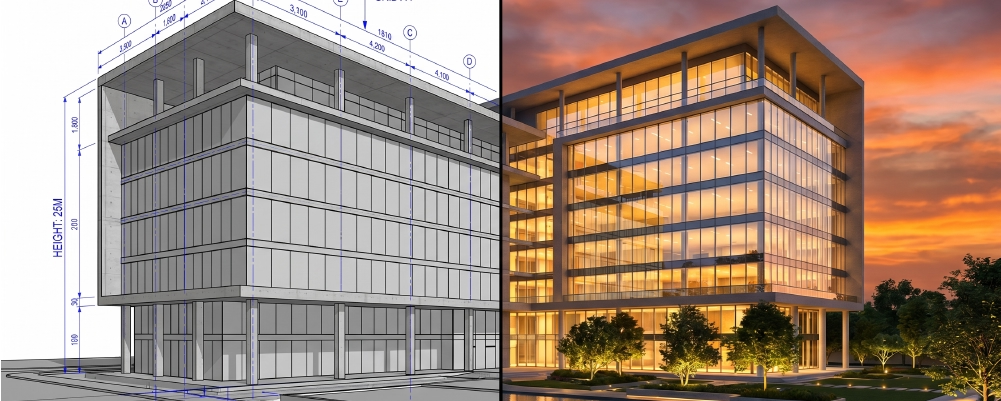
While the mechanical engineers and structural contractors rely heavily on the raw data of a BIM model to physically build the structure, the other half of the equation cannot be ignored. Stakeholders, private equity investors, local zoning boards, and municipal planners need to actually see the vision. They do not speak the language of engineering; they speak the language of visual impact. This is the exact sweet spot where technical precision meets compelling visual storytelling.
For US developers actively pitching a new multi-million dollar data center construction project to a skeptical local community or a board of high-net-worth investors, handing over a thick spreadsheet of MEP load calculations simply will not close the deal. You need stunning, photorealistic architectural visualizations. You need to showcase the facility’s seamless integration into the surrounding landscape, its sleek modern architectural facade, and its highly organized, futuristic interior layouts.
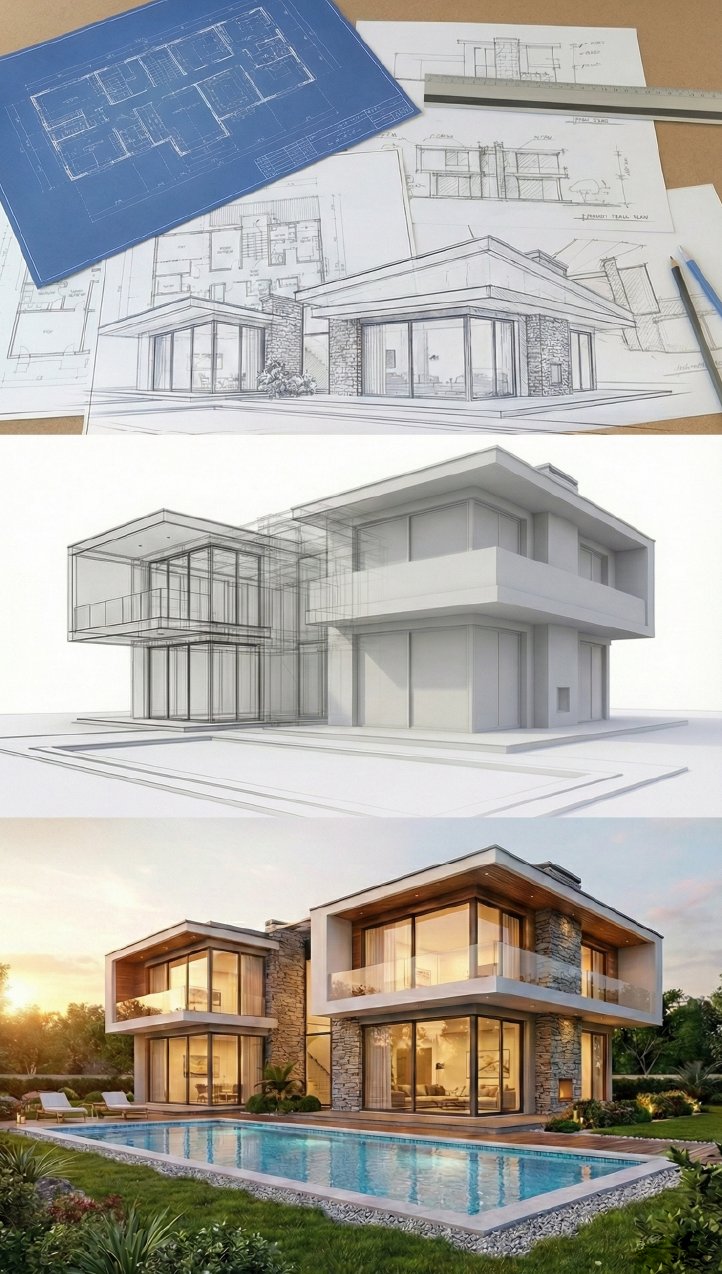
By fully utilizing expert BIM services for data centers, the transition from a highly technical, dense construction model to a breathtaking 3D render is beautifully seamless. The exact same digital data used to engineer and collision-test the facility can be textured, professionally lit, and rendered to show stakeholders exactly what their massive investment will look like on opening day.
When you combine flawless MEP coordination with top-tier 3D rendering in construction, you create an airtight pitch. You prove to the world that you have mitigated the risks, mastered the engineering, and designed a facility that belongs in the future.
Bring Your Complex Projects to Life with Xpress Rendering
Are you an architect, developer, or builder planning a complex data center construction project, a large-scale commercial build, or an intricate architectural retrofit? Do not leave your timeline and budget to chance.
Our specialized US-focused team bridges the gap between flawless technical execution and stunning visual presentation. From advanced clash detection and precise MEP coordination to breathtaking architectural visualization, we provide the ultimate BIM solutions to guarantee your project’s success.
Frequently Asked Questions (FAQs) About Data Center Construction
-
What is the exact role of BIM in data center construction?
BIM (Building Information Modeling) provides a highly centralized, intelligent 3D digital representation of a data center’s physical and functional characteristics. It allows architects, engineers, realtors, and general contractors to collaborate in real-time. By using BIM, teams can easily detect structural and MEP clashes before the actual construction begins, accurately estimate material quantities, and ultimately save massive amounts of time while drastically reducing costly on-site errors.
-
How does 3D rendering in construction help in data center development?
While BIM ensures the facility is structurally sound and technically viable from an engineering standpoint, 3D rendering translates those complex, data-heavy models into gorgeous photorealistic images and animations. This visualization step is absolutely crucial for US developers who need to secure heavy funding, gain strict community and zoning approvals, and market the facility space to potential tech tenants long before ground is even broken.
-
Why is MEP coordination so critical for data centers compared to normal buildings?
Unlike standard office spaces, data centers require absolutely massive amounts of uninterrupted power and highly complex cooling systems to keep thousands of servers running safely and efficiently. MEP (Mechanical, Electrical, Plumbing) coordination ensures that these incredibly intricate networks of air ducts, liquid cooling pipes, and heavy-duty cables fit perfectly within the physical space without interfering with each other or compromising the building’s core structural framework.
-
Can BIM services be used for adapting historic buildings into edge computing architecture?
Absolutely. Adaptive reuse for edge data centers is a rapidly growing trend across the United States. By utilizing laser scanning technology (Scan-to-BIM), teams can capture the exact, millimeter-accurate dimensions of an existing historic building. This allows architects to expertly design modern data infrastructure within the strict spatial constraints of the heritage structure, ensuring no historical architectural elements are damaged during the highly technical retrofit.
-
What is clash detection in construction risk management?
Clash detection is a highly automated, essential process within sophisticated BIM software (such as Autodesk Revit or Navisworks) that identifies exactly where two or more building components physically intersect or overlap incorrectly. For example, it will flag if a plumbing pipe is designed to run directly through a critical ventilation shaft. Identifying these specific clashes digitally during the pre-construction phase prevents expensive, schedule-killing rework on the actual construction site.
-
How do BIM services directly reduce data center construction costs?
By forcing teams to build the entire project digitally first, BIM services completely eliminate on-site guesswork. This proactive digital approach prevents expensive material waste, entirely avoids schedule delays caused by unforeseen engineering errors, optimizes daily labor deployment by providing clear visual instructions, and allows for highly accurate, predictable cost estimations right from day one of the project.