Let’s be brutally honest: in the hyper-competitive US hospitality market, trying to sell a multi-million dollar resort concept using only 2D blueprints is like trying to sell a luxury sports car by handing the buyer a black-and-white engineering manual. It just doesn’t work. The modern buyer, investor, and city planner expects more. They don’t just want to see the math, they want to feel the space.
Whether you are an architect designing an exclusive boutique winter getaway in Aspen, a developer pitching a massive, sun-drenched beachfront resort in Miami, or an interior designer curating an ultra-luxury lobby in the heart of New York City, your clients are not buying bricks and mortar. They are buying an experience. They are buying the ambiance, the lifestyle, and the promise of unforgettable memories.
To sell that experience before a single shovel ever hits the dirt, industry leaders are turning to 3D rendering for hotels and resorts. The days of relying on flat, uninspiring sketches are long gone. Today, 3D rendering for hotels is the ultimate deal-closer. Let’s dive deep into how architectural visualization is completely transforming the hospitality sector, accelerating project timelines, smoothing out operational friction, and maximizing your return on investment (ROI).
The Business Value: Why US Developers and Architects Rely on Hospitality Visualization
In the high-stakes world of commercial real estate visualization, risk mitigation is everything. Modern developers, institutional lenders, and private equity stakeholders need indisputable proof that a design will work, both aesthetically and financially, before they write a check. This is where 3D rendering for hotels shines, acting as the ultimate bridge between technical feasibility and emotional appeal.
1. Securing Investor Funding and Board Approvals
Investors want to see exactly what they are funding, down to the finest detail. A photorealistic 3D rendering for hotels translates complex CAD geometry into a compelling visual narrative. By presenting a lifelike representation of the finished property, developers can instill absolute confidence in their financial partners, making it exponentially easier to secure capital. When a stakeholder can literally see the sunlight bouncing off the lobby’s marble floors, they are no longer guessing about the project’s viability.
Furthermore, gaining zoning approvals from local city councils across the United States can be an absolute nightmare. Municipalities are highly protective of their skylines and local ecosystems. By utilizing high-fidelity 3D rendering for hotels, developers can provide visual, undeniable proof of how the new structure will respect local architecture and sightlines. This visual evidence is crucial for easing community concerns, maintaining historical harmony, and effectively crushing the dreaded “Not In My Backyard” (NIMBY) objections that delay so many US hotel development projects.
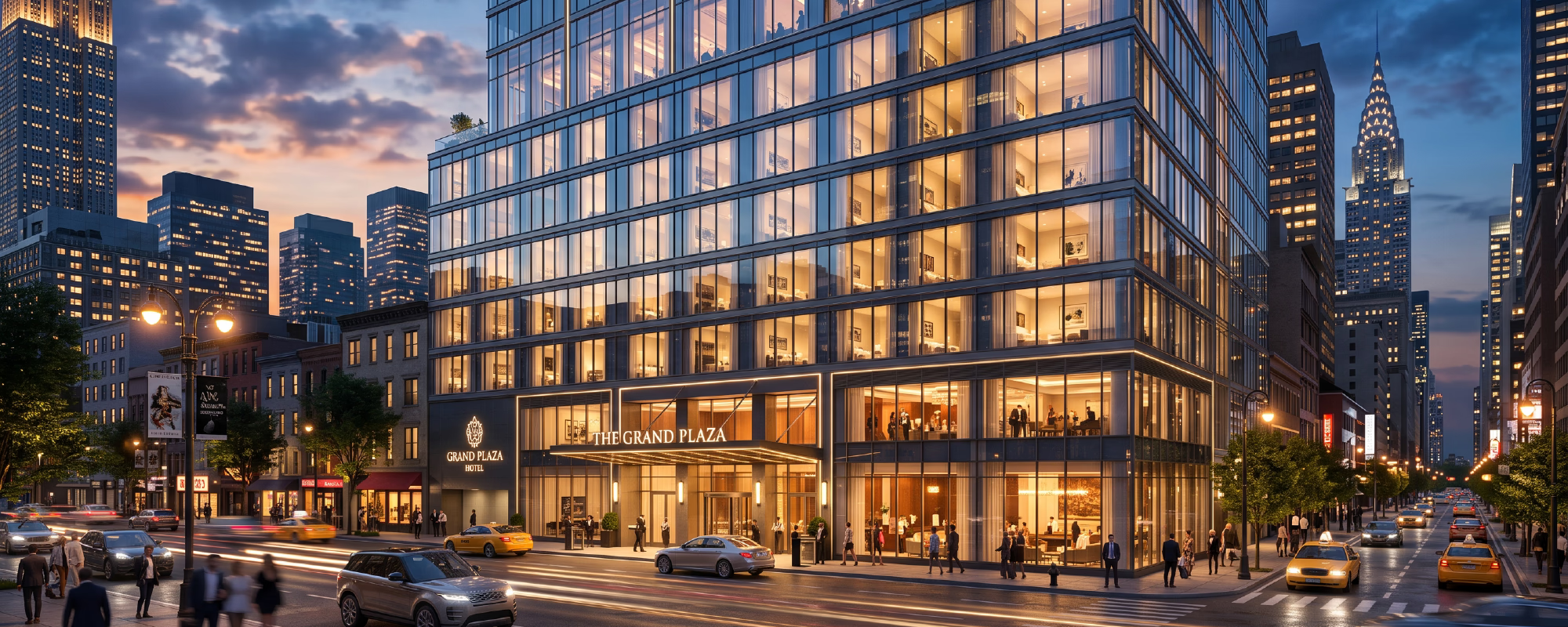
2. Pre-Selling the Dream (and the Rooms)
Marketing a hotel shouldn’t wait until the ribbon-cutting ceremony. If you are waiting until opening day to generate buzz, you are leaving massive amounts of money on the table. With professional 3D rendering for hotels, marketing teams can start generating hype months, or even years, in advance.
High-quality CGI acts as the ultimate pre-sales engine. Developers use hospitality 3D rendering to launch captivating social media campaigns, populate presale websites, and create interactive PR kits. This allows resorts to secure early event bookings, sell lucrative timeshare units, and lock in corporate retreats long before the concrete foundation is even poured. In short, 3D rendering for hotels turns a future promise into a tangible, bankable asset today.
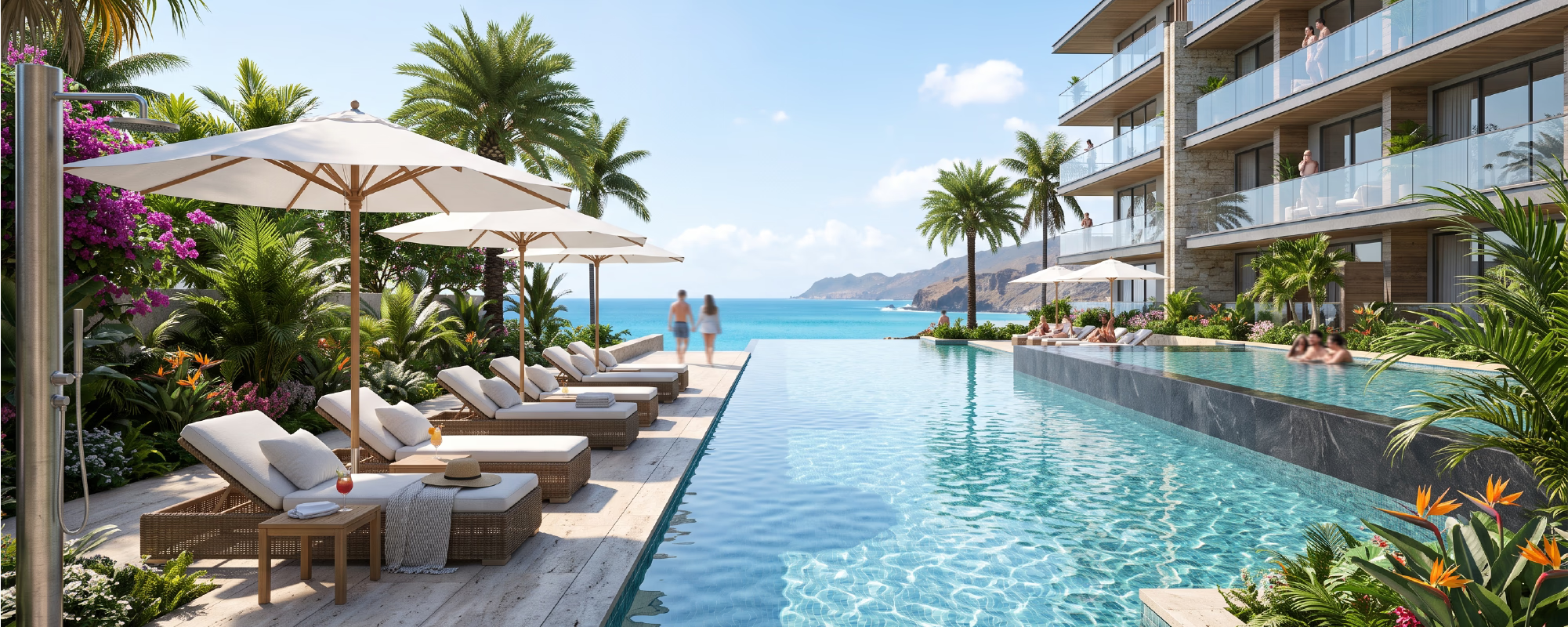
Mastering the Resort Master Plan: Exterior Architectural Visualization
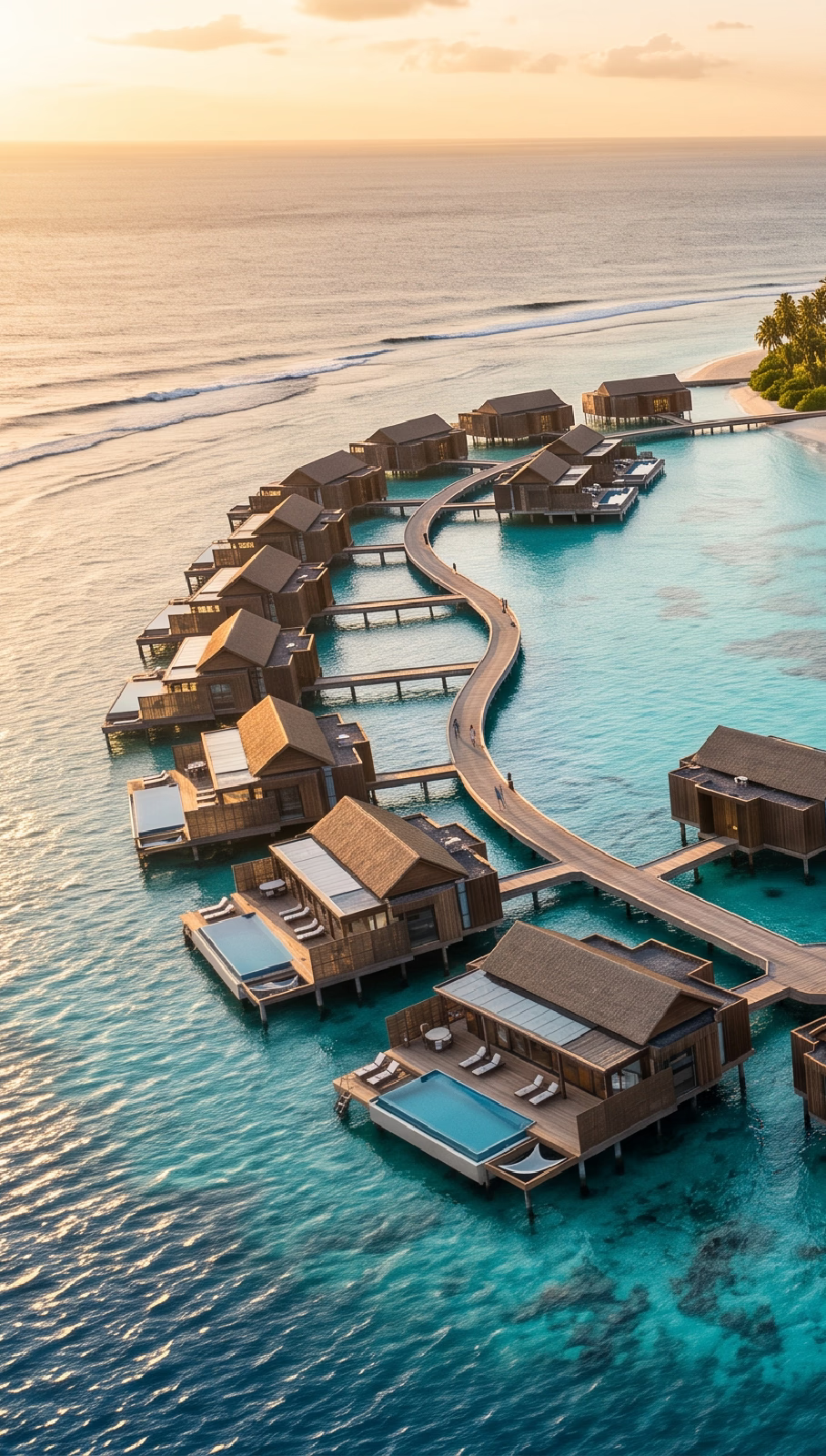
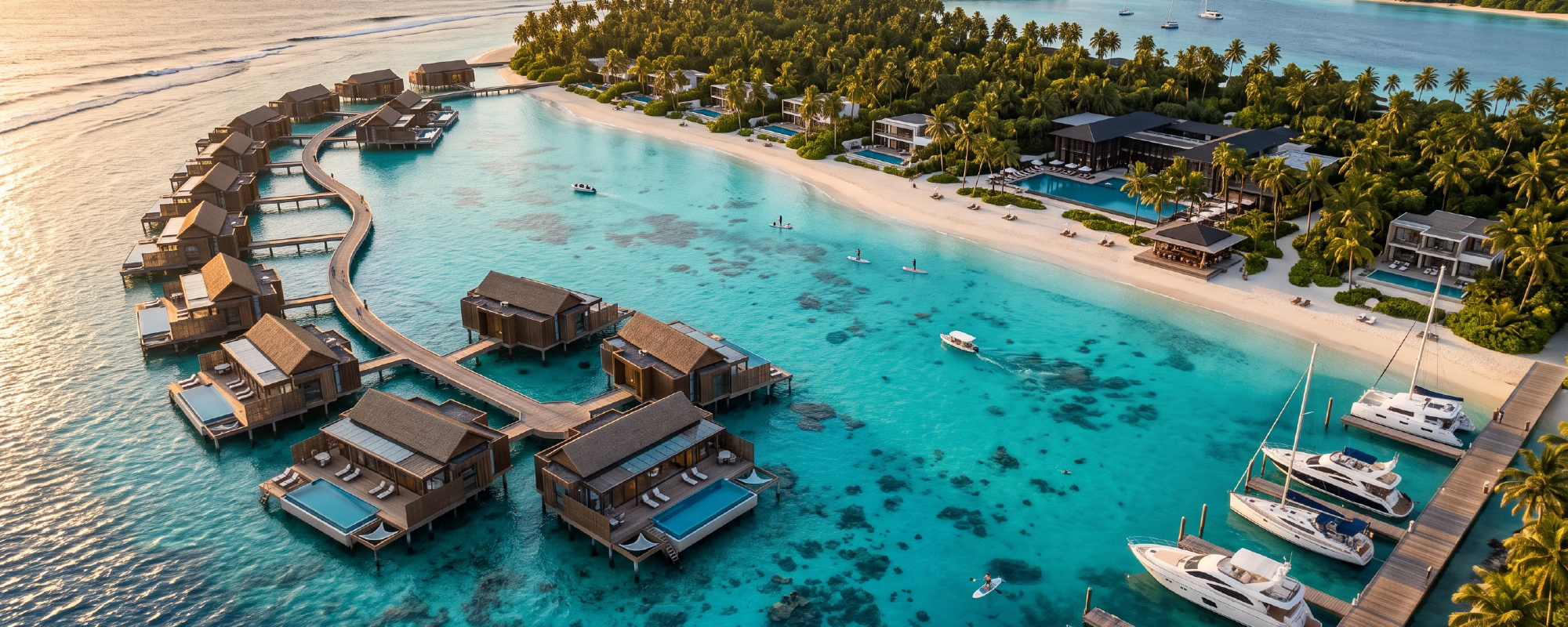
When dealing with sprawling resort properties or towering high-rise urban hotels, the exterior is your critical first impression. It’s the grand handshake. This is where landscape architecture, contextual geography, and strategic lighting converge to create a masterpiece.
To get this exactly right, visualization experts rely on Physically Based Rendering (PBR) materials. This advanced technology ensures that glass facades, rustic brickwork, and natural stone reflect sunlight exactly as they would in real life. When executing architectural rendering for resorts, capturing the perfect lighting is essential. Do you want the warm, inviting amber glow of the “Golden Hour” for a family resort, or the sleek, vibrant energy of a “Dusk” scene for a downtown luxury high-rise?
If you want to dive deeper into how lighting and geographical context can make or break your entire pitch, check out our comprehensive, industry-leading guide on Exterior Architectural Visualization: Best Practices for Developers.
Sustainability Spotlight: Today, the vast majority of top-tier US developers aim for LEED certification or other green building standards. 3D rendering for hotels plays a crucial role in visualizing eco-friendly integrations. You can seamlessly showcase solar panel placements, lush green roofs, and passive natural shading systems. High-quality visuals allow you to confidently prove your commitment to sustainability standards set by prestigious organizations like the U.S. Green Building Council (USGBC), which often requires robust contextual proof for certification points.
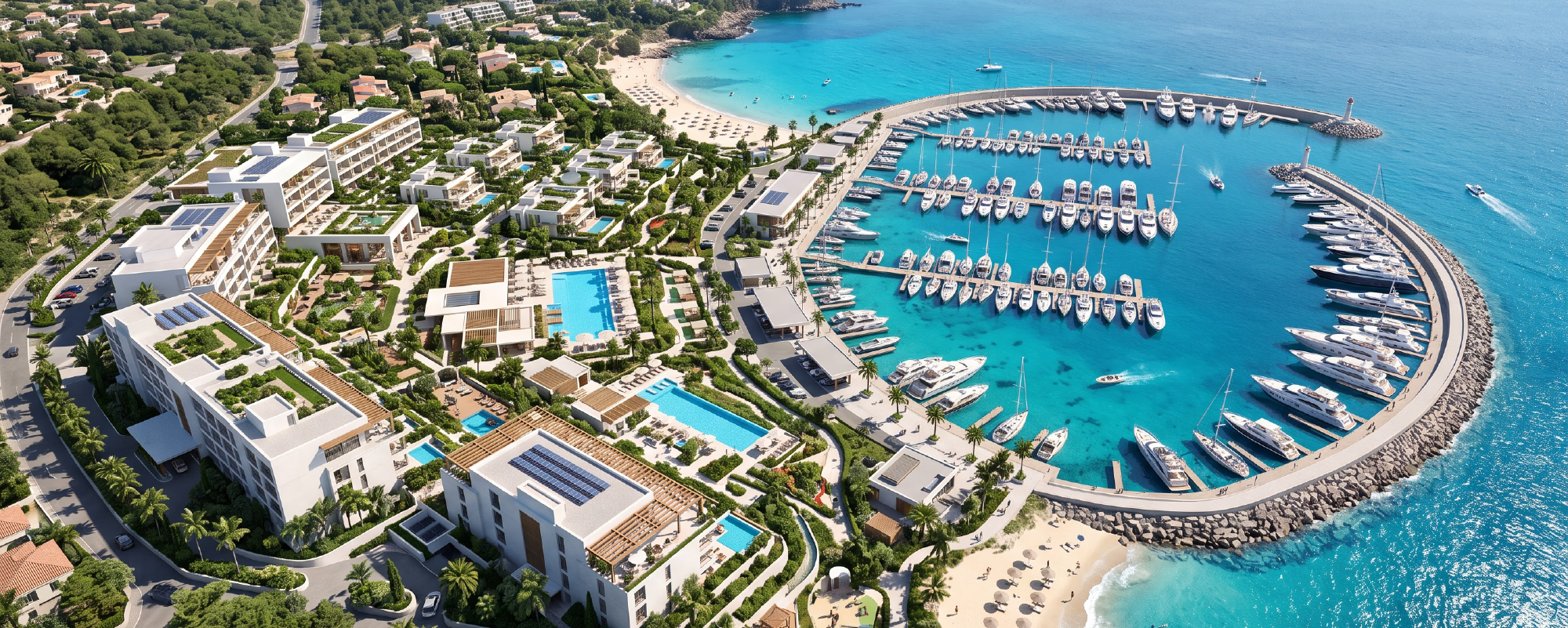
Crafting the Perfect Guest Journey: Hotel Interior Rendering
While a breathtaking exterior draws guests in from the street, the interior is what makes them stay, spend money, and leave glowing five-star reviews. For interior designers and architects, 3D rendering for hotels is the ultimate creative sandbox.
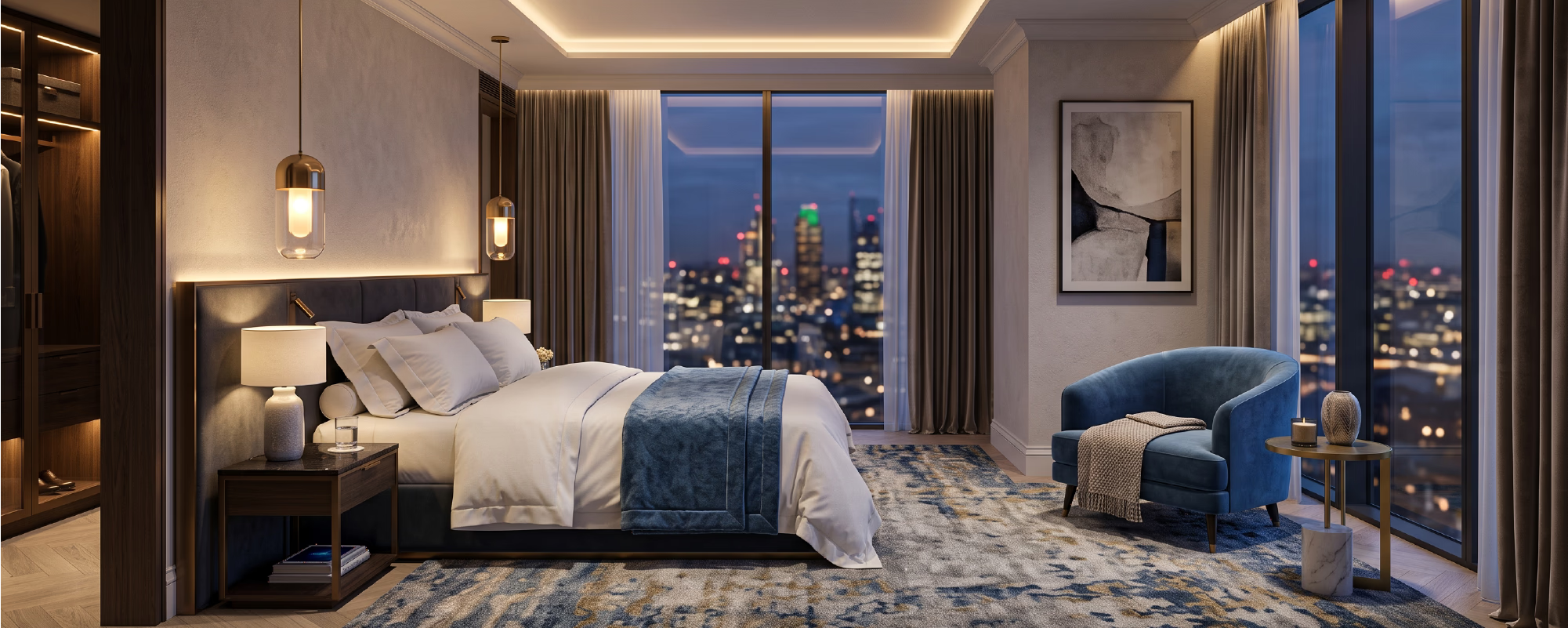
Testing Material Harmony
Will that expensive imported Carrara marble floor clash with the custom velvet lounge chairs under warm evening lighting? You don’t want to find out after you’ve ordered fifty custom chairs. Hotel interior rendering allows you to test finishes instantly. You can swap out wood grains, metal fixtures, and textile colors on the fly, entirely without wasting a single dime on expensive physical mockups. This flexibility alone saves design teams tens of thousands of dollars.
Spatial Flow and Ergonomics
Beautiful design means nothing if the operations are a nightmare. BIM and CAD experts use spatial visualization to ensure that the transition from the grand lobby, to the concierge desk, to the elevators is completely seamless. Utilizing 3D rendering for hotels allows operators to visualize foot traffic patterns, avoiding operational bottlenecks for hotel staff and ensuring guests never feel crowded or confused.
Food and Beverage Spaces
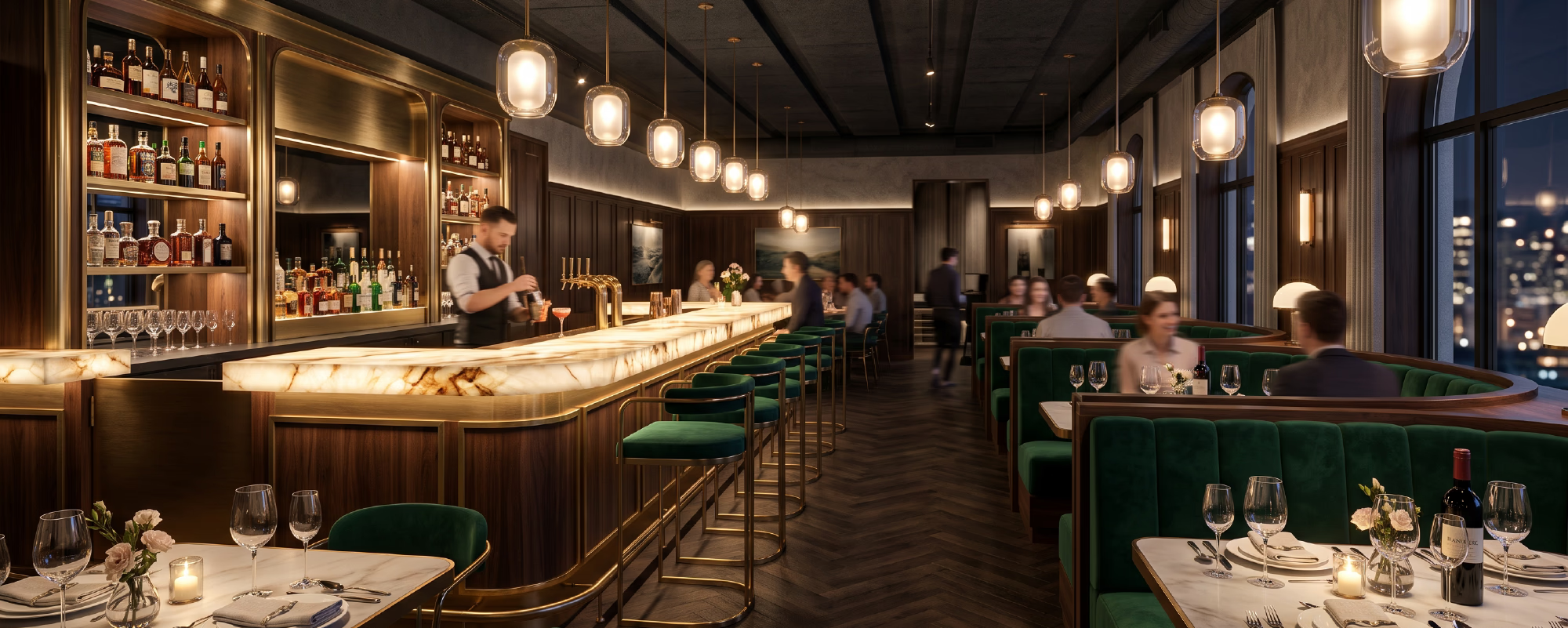
A hotel’s restaurant and bar areas are massive revenue drivers. Designing a world-class dining space requires carefully balancing intimate lighting, human scale, acoustic treatments, and compelling brand storytelling. This is highly specialized work. To master this specific niche and ensure your F&B spaces are highly profitable, explore our expert, actionable insights on Restaurant Interior 3D Rendering: Tips for Interior Designers.
Real-World Inspiration: US Hotels Leveraging 3D Rendering
The biggest and most successful players in the United States are already heavily using these visual strategies to dominate the market. According to research and insights from the American Hotel & Lodging Association (AHLA), modern guest expectations are higher than ever, pushing hospitality brands to drastically innovate their pre-arrival digital experiences.
Here are a few prime examples of how top-tier 3D rendering for hotels brings iconic US hospitality projects to life:
- Warren Street Hotel (New York City): Designed by the renowned Stonehill Taylor and operated by Firmdale Hotels, this Tribeca gem utilized extensive 3D rendering for hotels during its complex development. When architects needed to experiment with vibrant cyan facades and yellow paneling against the strict, historic NYC context, 3D exterior renderings allowed them to pivot designs effortlessly. They could visualize the exact impact of their bold color choices without delaying the aggressive construction timeline.
- Wyndham Resort Developments: Major, global brands like Wyndham Hotels & Resorts heavily rely on resort architectural visualization to maintain brand consistency. They utilize immersive 3D walkthroughs and cinematic animations to secure early stakeholder approvals and launch massive global marketing campaigns before construction even begins. This ensures every new property perfectly aligns with their established corporate brand identity, giving franchisees complete peace of mind.
The Future: Immersive VR and 360° Walkthroughs
While static, photorealistic images are incredibly powerful, the undisputed future of hospitality visualization services is fully interactive. Immersive 360° virtual tours and Virtual Reality (VR) walkthroughs allow potential guests and high-net-worth investors to digitally step inside the hotel from anywhere in the world.
Imagine putting on a VR headset in Chicago and walking through a yet-to-be-built luxury lobby in Hawaii. You can inspect the suite sizes, admire the artwork, and look out over the virtual balcony to check the sightlines. For developers, this hyper-realistic 3D rendering for hotels translates to lightning-fast decision-making. For guests, it guarantees absolute transparency, ensuring that the reality of their vacation will perfectly match their expectations upon arrival.
Ready to Bring Your Hospitality Vision to Life?
Exceptional hospitality architecture requires exceptional visualization. Do not let groundbreaking resort concepts, complex interior designs, or outdated 2D drafting eat into your profit margins or kill your investor pitch. At Xpress Rendering, we help top-tier architects, realtors, and developers translate complex, luxurious hospitality designs into photorealistic visuals that win pitches, secure early investor buy-in, and eliminate costly construction rework.
3D Rendering for Hotels & Resorts: Frequently Asked Questions (FAQs)
1. What exactly is 3D rendering for hotels & Resorts?
3D rendering for hotels is the highly specialized process of creating accurate, photorealistic digital images, animations, or virtual tours of a hotel’s exterior and interior spaces before the physical structure is built. It is an essential tool that helps US developers, architects, and marketing teams perfectly visualize and sell the final property.
2. How does hospitality 3D rendering help secure investors?
Real estate investors need to mitigate risk by understanding exactly what they are funding. Photorealistic 3D rendering for hotels turns complex, difficult-to-read CAD blueprints into compelling, easy-to-understand visual masterpieces. This proves the aesthetic value, scale, and financial viability of the project, removing the guesswork from capital investment.
3. Can hotel interior rendering save money during construction?
Absolutely. By visualizing high-end material choices, custom furniture layouts, and complex lighting scenarios in a 3D space, interior designers can spot design flaws and aesthetic clashes early. This proactive approach avoids incredibly expensive on-site change orders, tear-downs, and material waste during the physical construction phase.
4. What files do I need to start a resort architectural visualization project?
To get the fastest and most physically accurate results, you should provide your complete architectural plans (CAD files or detailed PDFs), 3D BIM models (like Revit or SketchUp) if you have them, comprehensive material schedules, and conceptual mood boards detailing the exact atmosphere and target demographic of the resort.
5. How long does it take to create a 3D rendering for a hotel?
Timelines vary entirely based on the scope and complexity of the project. A single, highly detailed interior view (such as a lobby or standard guest room) might take 5 to 7 business days. However, a massive resort master plan featuring drone photomontages, aerial views, and cinematic animated walkthroughs could take several weeks to perfect.
6. Do 3D renderings help with hotel zoning approvals in the US?
Yes, without a doubt. Presenting a photorealistic, geographically accurate 3D rendering for hotels to city councils, historical commissions, and local zoning boards visually proves that your property will integrate harmoniously with the surrounding neighborhood. It provides objective visual data that dramatically speeds up the notoriously slow permitting process.
7. Can I use 3D renders for hotel marketing before opening?
Yes! This is actually one of the biggest financial advantages of the technology. High-quality 3D rendering for hotels is heavily used for launching presale websites, generating social media teasers, creating PR press releases, and securing early room and event bookings long before the construction crews have finished their work.