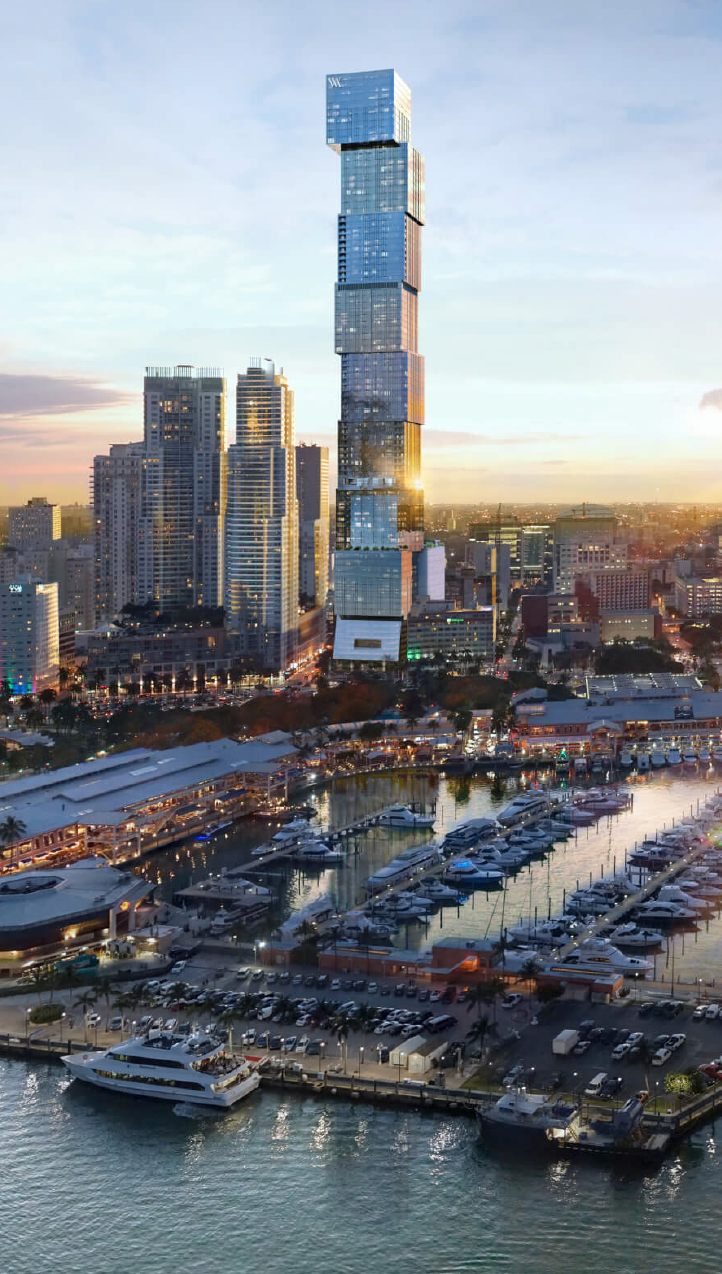
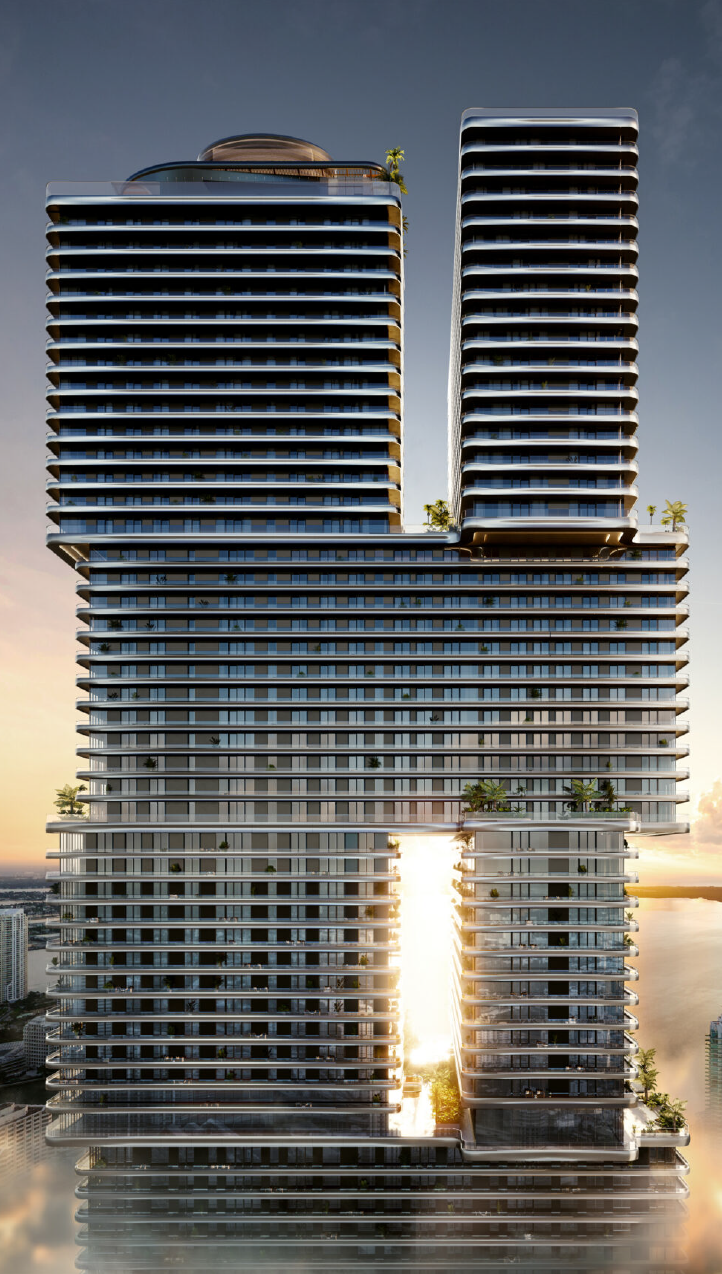
It’s 4:47 PM. Your client is on Zoom. Your builder is texting. Your developer wants “one more angle.” And someone says the sentence that has launched a thousand late nights:
“Can we see it in walnut instead?”
If you’ve lived that moment (or you can feel it coming), choosing the right 3D Rendering Company is not a “nice-to-have.” It’s how architects, developers, builders, realtors, and interior designers keep decisions moving, approvals smoother, and presentations convincing.
This guide breaks down what to look for: portfolio quality, workflow, pricing, timelines, legal basics, and partnership fit, so you can hire a team that makes your life easier, not more complicated.
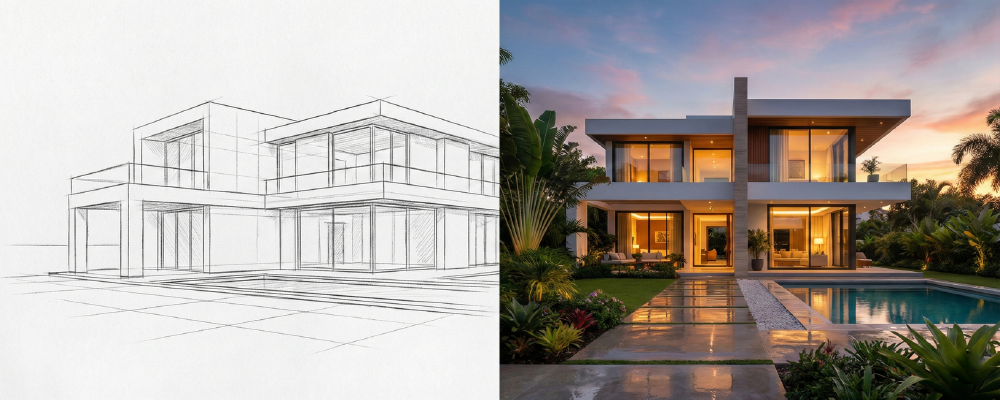
Quick Answer: The 3D Rendering Company Checklist (Read This in 60 Seconds)
Use this as your fast filter before you book calls or request quotes:
-
Their portfolio includes projects like yours (not just pretty one-offs).
-
Their realism is consistent across multiple jobs, not just one hero image.
-
They can explain their workflow from brief to final (with clear checkpoints).
-
They have a revision policy that defines what a “round” means.
-
They do quality control before delivery (someone checks details, not just pixels).
-
They use a modern tool stack and can match your preferred output formats.
-
You get a single point of contact (project manager or lead) with a communication cadence.
-
Their pricing is transparent (fixed vs hourly) with scope clearly defined.
-
They confirm usage rights/ownership and can work under an NDA if needed.
-
Their turnaround matches your schedule, and they can describe how they hit deadlines.
-
They don’t push “cheap” as the main value, because surprises are never cheap.
At Xpress Rendering, we aim to meet these same standards on every project, through a structured workflow, clear communication, and consistent quality control, so your team can move from concept to confident decisions without unnecessary friction.
Step 1: What Do You Actually Need From a 3D Rendering Company?
Before you compare studios, define “success” for your project. Otherwise, you’ll hire a specialist for the wrong job and blame the tool.
Deliverable menu (pick your combo)
A serious 3D Rendering Company should be able to guide you through options like:
-
Interior vs exterior renderings
-
Aerial views
-
2D/3D floor plans and site plans
-
Photomontage (CG inserted into real photos)
-
Virtual staging
-
Animation, walkthroughs, and VR/AR experiences
If your project has multiple stakeholders, mix deliverables. A developer might need exterior hero images plus aerials for investor decks, while an interior designer needs finish variants that help the client commit.
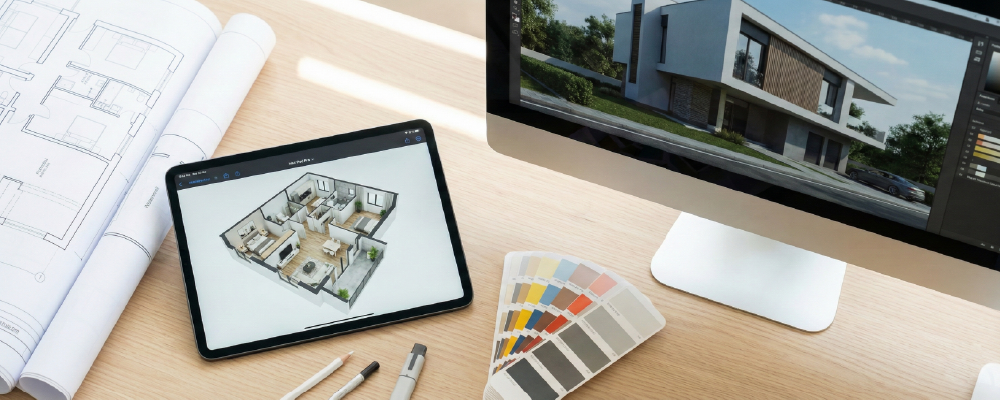
The “Use Case” filter
Ask: where will these visuals live?
-
Client pitch and design approval
-
Zoning boards or city presentations
-
Investor decks and pre-sales
-
MLS / listing marketing
-
Design development (materials, lighting, layout decisions)
The “use case” drives style, detail level, and how many views you actually need.
Style target
Be honest about your goal:
-
Photoreal marketing (sell the lifestyle)
-
Schematic massing (sell the concept)
-
Diagrammatic/illustrative (sell clarity)
A great studio can do all three, but they should know which one you need today.
Step 2: Portfolio Detective Work (Your Fastest Yes/No)
A portfolio isn’t decoration. It’s a prediction.
Look for relevance + consistency. One gorgeous image can be luck. Ten strong projects in your exact niche is a signal.
What to look for (beyond pretty pictures)
-
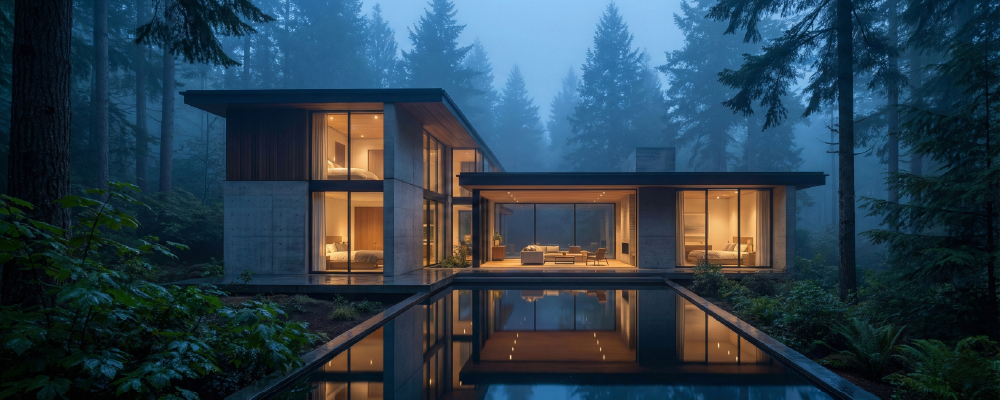
Lighting that makes sense (not “everything glows”)
-
Materials that behave like the real thing (wood grain, metal reflections, stone depth)
-
Scale cues that feel human (furniture proportions, railing heights, door thickness)
-
Landscaping that isn’t an afterthought (edges, variety, placement)
-
People/props used strategically (not a random crowd pasted everywhere)
If you’re an interior designer, zoom in on finishes. If you’re a builder, check constructability clues (window placement, roof lines, trim logic). If you’re a developer, look for marketing composition and storytelling.
“Show me something like my project”
Ask for similar typologies and complexity:
-
Multifamily, hospitality, retail, medical, custom homes, renovations
-
Day vs dusk
-
Tight urban context vs open suburban lots
-
High-end interiors vs rental-ready staging
A great Architectural visualization studio should be comfortable saying, “Yes, that’s our lane,” or “We can do it, but here’s what changes in timeline and budget.”
Step 3: Choose the Team Size That Matches Your Workflow
Big studio doesn’t automatically mean better. Boutique doesn’t automatically mean faster. Fit matters.
-
Larger teams can offer capacity and parallel production for big developments.
-
Smaller teams can be nimble and style-consistent with closer collaboration.
Tie it to your reality:
-
Developers: capacity, speed, and iterations for pre-sales materials
-
Architects: technical accuracy, reliable coordination, stakeholder alignment
-
Interior designers: fast options/variants, finish control, consistent style
If you plan to outsource 3D rendering services regularly, ask about long-term partnership workflows. The best studio learns your preferences and gets faster over time.

Step 4: A Great Process Beats a Great Screenshot
Here’s the truth: most rendering “failures” are process failures, unclear inputs, vague feedback, missed checkpoints.
Brief → Drafts → Revisions → Final (define the cadence)
A strong cadence prevents the classic disaster: “We’re almost done… wait, the camera angle is wrong.”
Look for a workflow that includes early approvals (camera and layout first), then detail passes (lighting/materials), then polish.
Your “No-Surprises” brief (inputs list)
To move fast without chaos, share:
-
CAD/BIM files (or clean PDFs if needed)
-
Key dimensions and elevations
-
Camera references (even rough screenshots help)
-
Material schedule / finish palette
-
Mood references (what “luxury” means for this project)
-
Brand guidelines if it’s a marketing package
You’re not being “extra.” You’re being efficient.
Revision policy
Ask how many rounds are included and what counts as a round. Example: changing paint color is not the same as moving walls.
Quality control
A professional 3D Rendering Company has internal QA. Someone checks reflections, edges, textures, lighting balance, and “does this look believable?” before you ever see it.

Step 5: Technology & Tools: What They Use and Why It Matters
Yes, tools matter. But outcomes matter more.
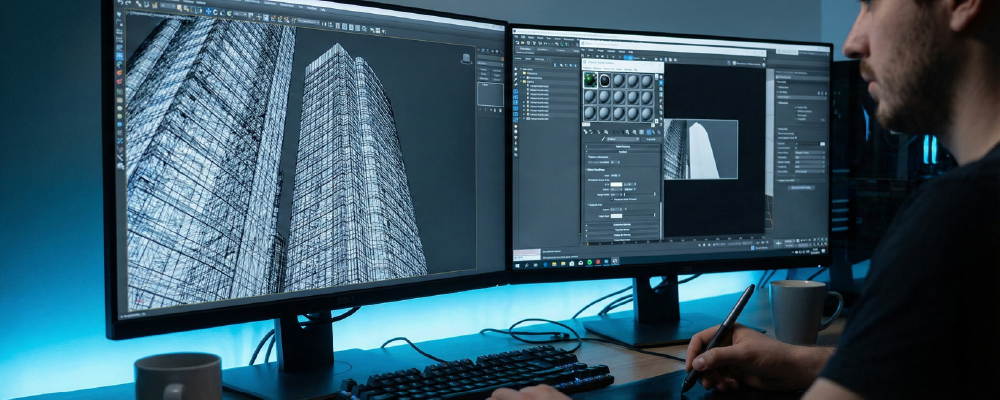
Expect a modern tool stack (for example: 3ds Max, V-Ray, Corona, Blender, Lumion) and a pipeline that supports your needs.
Ask about their pipeline
-
Modeling standards (clean geometry, correct scale)
-
Asset libraries (so they aren’t reinventing chairs every time)
-
Material workflow (PBR realism, correct texture scaling)
-
Lighting workflow (daylight systems, interiors that don’t look flat)
-
Render management (how they handle multiple views efficiently)
Future-proof options
If your clients expect immersive experiences, ask about VR/AR, interactive walkthroughs, and AI-assisted iteration workflows.
Step 6: Turnaround Time (and How to Prevent “We’ll Be Late…”)
Turnaround is a business decision, not just a production detail.
Compare delivery speeds and revision policies against your real deadlines. Some studios publish benchmark ranges, one example cites an average of about one week for modeling/rendering tasks and 48–72 hours for an interior design rendering (use as a sanity check, not a promise).
Milestones you can require
To protect your timeline, request milestones like:
-
Camera lock approval
-
Clay/white model draft
-
Lighting draft
-
Materials pass
-
Final polish and output formatting
Milestones reduce the risk of late-stage surprises.
Step 7: Pricing Models (Fixed vs Hourly) + What Should Be Included
Pricing becomes simple when scope is clear.
-
Fixed pricing works best when deliverables are well-defined (number of views, style, resolution). This is also the model we follow at Xpress Rendering: we review your project scope, confirm the deliverables you need, and then provide a clear quote based on that information. If you’re looking for a quote for your project, you can request one here.
-
Hourly can work when the scope is still evolving or you need ongoing support.
Whatever the model, make sure it includes:
-
What’s delivered (views, formats, resolution)
-
Revision rounds
-
Timeline and milestone expectations
-
What triggers additional cost (major design changes, new angles, added rooms)
Do not choose purely based on lowest price. If the process is weak, you’ll pay for it later, in delays, change orders, and rework.
Step 8: Ownership Rights, Licensing, and NDAs
This is the adulting section. It matters.
Confirm in writing:
-
Who owns the final images
-
How they can be used (marketing, proposals, MLS, print)
-
Whether the studio can showcase the work publicly
-
NDA / confidentiality options if the project is sensitive
A good contract protects both sides, and prevents awkward conversations when your marketing team is ready to launch.
Step 9: How to Verify Reliability (Without Guessing)
A portfolio shows skill. Reliability shows up elsewhere.
-
Ask for references or repeat-client signals.
-
Read reviews/testimonials with an eye for process: communication, revisions, deadlines.
-
Notice how they answer questions. Clarity now usually means clarity later.
Step 10: Do’s & Don’ts When Hiring a 3D Rendering Company
Do:
-
Start with relevant portfolio work.
-
Align on scope before discussing price.
-
Lock a review cadence and milestones.
-
Ask how they handle revisions and QA.
Don’t:
-
Choose only based on price.
-
Assume big studios are always faster.
-
Skip legal basics (rights, NDA, usage).
-
Wait until the end to correct the camera angle.
If Your Goal Is Faster Client Approvals, Here’s the Shortcut
Here’s what experienced teams learn fast: approvals don’t slow down because people dislike design. They slow down because people can’t picture the design the same way at the same time.
That’s exactly where a dependable 3D Rendering Company becomes a decision engine. Great visuals reduce the “Wait, I thought it would look different” moment, before it becomes a change order.
If your projects need high-quality architectural renders services that hold up in presentations, marketing, and stakeholder reviews, Xpress Rendering is built for that reality. Our workflow is designed around speed, clarity, and consistent communication, with project managers, internationally licensed architects, and 3D artists collaborating to deliver visuals that help teams align faster.
When you’re ready, explore our 3D Rendering Services and start a project with a 3D rendering team based in Florida and serving clients across the U.S.
If your pipeline is heavy on interiors or renovation decisions and want to keep reading, also read our article Top 5 Benefits of 3D Interior Design for Home Renovations for practical, client-facing advantages you can use right away.
Frequently Asked Questions About Choosing a 3D Rendering Company
-
How much does a 3D Rendering Company cost in the U.S.?
Costs vary based on scope (number of views), complexity, realism level, and revision rounds. Fixed pricing is common for defined deliverables; hourly can work for evolving scope. The fastest way to get accurate pricing is to send clean inputs and a clear deliverable list. If you’d like to know how much it could cost to render your project, get your quote here.
-
How long does an architectural rendering typically take?
It depends on project size, complexity, and how quickly you approve milestones. Some studios cite benchmarks like 48–72 hours for interior design renderings and around one week for many modeling/rendering tasks.
-
What files should I send to a 3D Rendering Company to start?
Send CAD/BIM files when possible, plus dimensions, elevations, material palettes, camera references, and site context. The better the brief, the faster the first draft.
-
How many revisions are “standard”?
There’s no universal standard. What matters is clarity: how many rounds are included, what counts as a round, and what changes trigger extra cost. Always define this before production starts. At Xpress Rendering we include up to 3 revisions to ensure your exterior rendering matches your vision perfectly. If additional revisions are needed, we’ll continue collaborating with you to achieve your project goals. Extra revisions can be accommodated with an hourly adjustment for the additional work.
-
Do I own the final renders? Can I use them for marketing and proposals?
Often yes, but it depends on the studio’s agreement. Confirm usage rights (web, print, MLS, ads), ownership, and whether the studio can publicly share the work.
-
Should I hire a local 3D Rendering Company or a remote team?
Local can help if site familiarity matters, but remote works extremely well when the workflow is strong. If you’re searching for a 3D Rendering Company in Florida, you can still serve nationwide clients, what matters most is communication cadence, milestone approvals, and reliability.
-
What’s the difference between a rendering studio and a long-term visualization partner?
A partner builds a repeatable workflow with your team: consistent style, faster onboarding, predictable QA, and better iteration over time, especially valuable if you regularly outsource work. At Xpress Rendering, we genuinely enjoy long-term collaborations because they create real momentum: we build familiarity with your design language, preferences, and standards, which makes every new project smoother, faster, and more aligned from day one.
-
Which software should a professional rendering team use?
You’ll see a range of tools across the industry. Focus less on brand names and more on pipeline maturity: modeling standards, material realism, lighting workflow, and consistent outputs.
Final Takeaway: Hire for Process, Not Just Pixels
The best 3D Rendering Company is the one that makes your presentations clearer, your timelines safer, and your approvals faster, without dragging your team into a messy back-and-forth.
Choose based on relevant portfolio work, a structured workflow, transparent pricing, milestone-based timelines, and clear rights. Then treat the relationship like what it is: a production partnership that helps your firm build confidence before construction begins.