You’ve got a big site on your desk: maybe a mixed-use district, a hospital campus expansion, or a housing community that will be built in phases. Everyone in the room is excited… until someone asks the question that quietly determines whether the project moves smoothly or becomes a never-ending “version 47” file.
Do we need Master Planning first, or should we jump straight into Urban Design?
In the next few minutes, you’ll learn the real difference between Master Planning and Urban Design, including scope, scale, deliverables, and when each one pays for itself in fewer revisions, faster stakeholder alignment, and a cleaner path through approvals.
What is Master Planning?
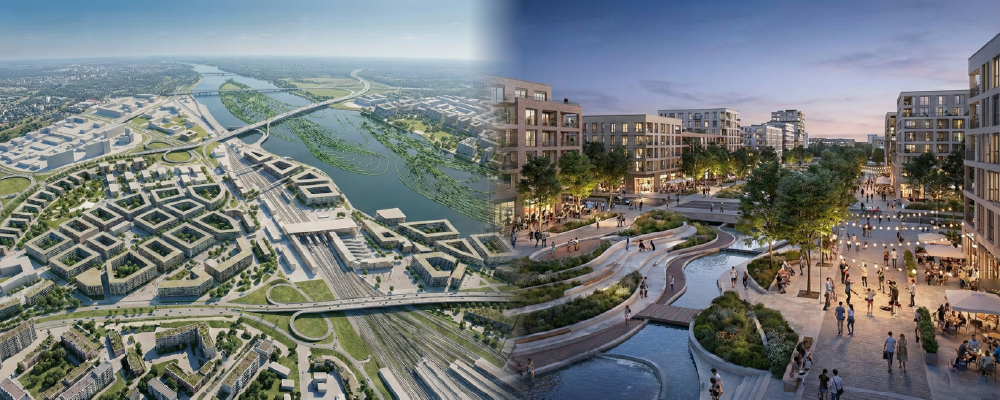
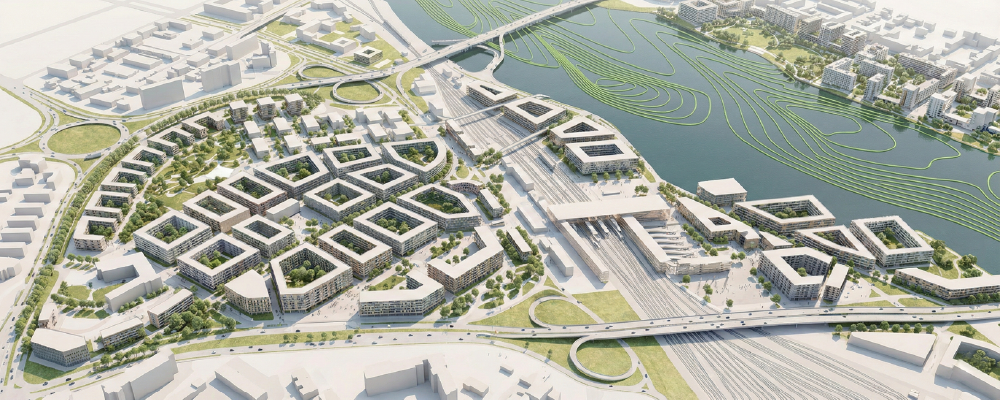
Master Planning is the big-picture strategy that turns a complex site (or district) into an organized, phased, buildable vision. It’s where teams align on priorities before time and money get burned on details that might change.
Think of it like setting the rules for the whole chessboard before you start moving pieces. A good master plan typically includes:
- A clear vision and measurable goals
- Site constraints and opportunities (access, topography, utilities, neighbors)
- Phasing strategy (what happens now, next, and later)
- Stakeholder alignment (owners, agencies, community, investors)
- Risk management and scenario thinking (the “what if” planning)
AIA describes master planning as a roadmap for long-term success in the built environment, because it keeps decisions coherent over time, even as budgets, tenants, or priorities evolve. Reference: Master Planning Is a Roadmap for Long-Term Success of the Built Environment (AIA).
What is Urban Design?
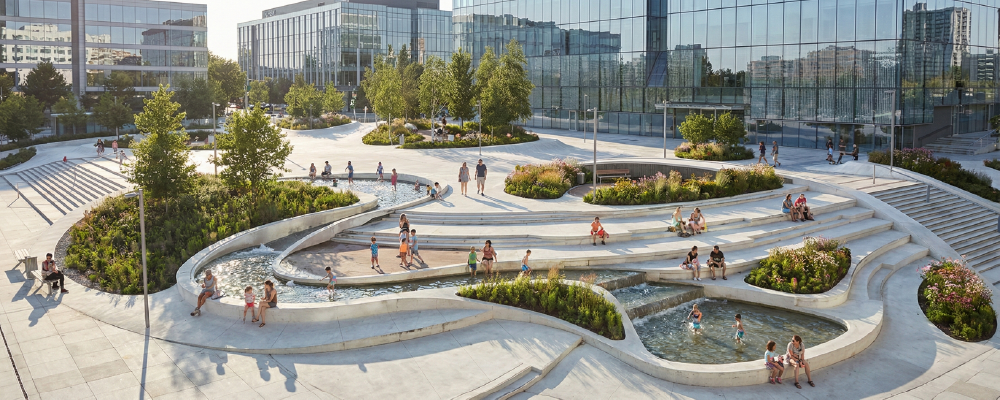
Urban Design focuses on how the built environment works and feels at the human scale. It’s the craft of shaping the relationship between buildings and the spaces between them, streets, plazas, parks, sidewalks, courtyards, and all the moments that make people say, “This place just works.”
At its core, Urban Design is about:
- The public realm: streets and open spaces people share
- The “solid vs void” balance: building mass vs open space
- Connectivity and comfort: walkability, shade, safety, wayfinding
- Streetscape design: trees, lighting, edges, crosswalks, frontage
- Place-making: turning space into a destination, not just a pass-through
Urban design doesn’t replace architecture, it sets the conditions that help architecture succeed.
The Core Differences (Scope, Scale, Goals, Timeframe)
Here’s the simplest way to spot the difference in a real project meeting:
| Factor | Master Planning | Urban Design |
|---|---|---|
| Scope | Strategic planning and coordination | Physical form + human experience |
| Scale | Regions, cities, districts, campuses | Neighborhoods, corridors, blocks, sites |
| Goals | Long-term roadmap, phasing, infrastructure logic | Quality of the public realm, connectivity, character |
| Timeframe | Long-range (often multi-phase, multi-year) | Earlier implementation + design guidance |
A quick way to remember it: Master Planning answers “What should happen here over time?” Urban Design answers “How should this place feel and function on the ground?”
Two Types of Master Planning (People Confuse These)
Strategic Masterplanning (Big Picture)
This is the “city or district lens.” Strategic Master Planning is often tied to regeneration, growth strategies, corridor redevelopment, or long-term transformation of large areas. It’s where the zoning framework and policy direction matter heavily, because the plan must align with what’s legally possible, publicly acceptable, and financially feasible.
Typical use cases include downtown revitalization, transit-oriented growth areas, and large district-scale mixed-use planning where multiple stakeholders must agree on direction early.
Project Masterplanning (A Defined Site)
This is the “site with boundaries” lens. Project Master Planning is common when you have a campus, a multi-building development, or a phased residential community. It’s the level where circulation, access points, service zones, open-space hierarchy, and phasing become visible early—before expensive redesigns.
For home builders and developers, this is where “we’ll figure it out later” turns into “we have a plan that can actually be built.”

Urban Design’s “People First” Job
Urban Design Creates Places (Not Just Plans)
You can technically build a project that “works” on paper and still feels uncomfortable, confusing, or disconnected in real life. Urban Design is what prevents that. It translates land use and density into spaces that people enjoy moving through and spending time in.
This connects directly to walkability and safety, accessibility, comfort (shade, wind, human scale), and identity, because good place-making is never accidental.
The Public Realm: Where Urban Design Lives
The public realm is the stage. Urban Design is how you direct the scene. Street hierarchy, open space networks, frontage design, and movement systems all shape how a place performs day to day.
Strong site planning and clear urban design guidelines help keep that public realm consistent, even when multiple architects, consultants, and phases are involved.
Why They Matter (Livability, Equity, Sustainability)
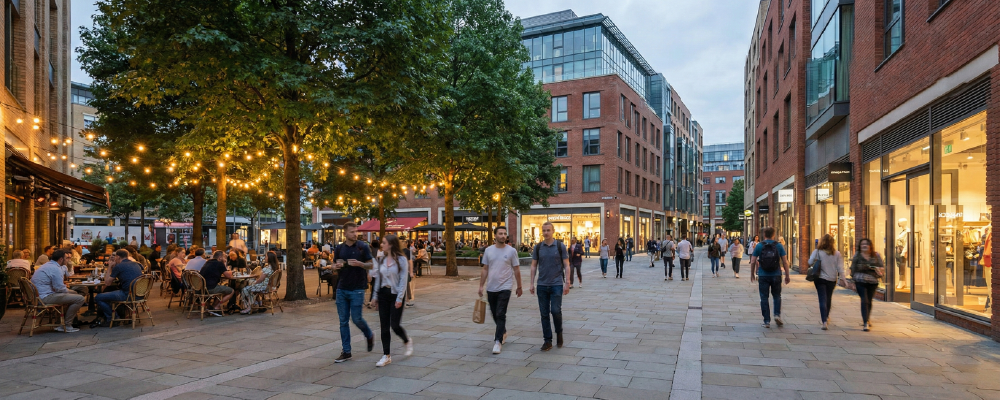
Livability is what happens when a plan becomes intuitive: comfortable routes, clear entries, active edges, and open spaces that are used, not just landscaped. When Master Planning ignores the human experience, or Urban Design ignores the system, projects often become fragmented and hard to navigate.
Equity shows up in physical choices: safe routes, access to public spaces, inclusive design decisions, and development patterns that don’t isolate people. Master Planning helps set priorities; Urban Design helps those priorities become daily reality.
Sustainability is also a planning decision. Density, connectivity, shading, and stormwater strategies influence performance as much as materials do. Great Master Planning defines long-term goals; great Urban Design makes those goals functional at street level.
Real-World Workflow (From Master Plan to Built Experience)
Phase 1: Vision + Constraints
This is classic Master Planning territory. The team aligns on goals, studies constraints, evaluates access and infrastructure, and tests scenarios. It’s also where stakeholder alignment matters most, because late surprises tend to be expensive surprises.
Phase 2: Framework + Guidelines
Now Urban Design takes the lead. Streets, open spaces, frontage rules, and public realm strategies become clearer. This is where urban design guidelines protect quality across multiple phases and multiple design teams.
This is also where a clear planning board presentation can reduce confusion dramatically, because reviewers respond better to visual clarity than abstract descriptions.
Phase 3: Architecture + Interiors
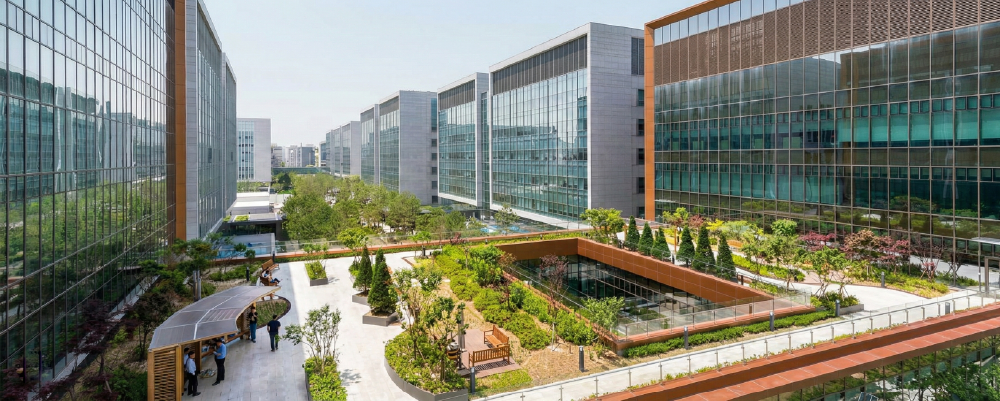
This is where architects and interior designers feel the impact directly. Urban Design decisions shape entry sequences, retail visibility, amenity placement, wayfinding, and material transitions from outside to inside. If the outdoor experience is unclear, interiors often get redesigned repeatedly to compensate.
Deliverables Cheat Sheet (What You’ll Actually Produce)
Master Planning deliverables
- Vision + goals (clear priorities, not just buzzwords)
- Program distribution and land use strategy
- Phasing strategy and implementation roadmap
- Infrastructure and access logic (parking, service, utilities)
- Scenario testing for scope/budget changes
- A cohesive master plan package that guides decision-making
Urban Design deliverables
- Public realm framework (open space hierarchy + connections)
- Street typologies and streetscape design concepts
- Frontage and edge rules (active ground floors, setbacks, key corners)
- Urban design guidelines to maintain cohesion across phases
- Identity and place-making strategies rooted in real use
- Visual documentation that supports reviews and approvals
Tools That Speed Up Alignment (CAD, BIM, and Decision Clarity)
If Master Planning defines the system, the tools define coordination. Some teams move faster in early concept documentation with CAD; others rely on BIM for coordination and accuracy when multiple disciplines and phases are involved.
If you want a clear breakdown that supports real-world workflows, here’s a helpful read from Xpress Rendering Blog: BIM vs CAD: Key Differences and What You Should Know as an Architect.
Data & Quick Facts (Interesting, Useful, Shareable)
- Urban design gained formal academic footing in the mid-20th century; a milestone often cited is Harvard launching a dedicated urban design program around 1960, reflecting how the field matured into a distinct discipline.
- Urban planning often leans toward policy and regulation, while Urban Design focuses on physical form and how places function for people, especially in the public realm.
- Three signs you likely need Master Planning before you design details:
- Your project has multiple phases or multiple buildings.
- Infrastructure and access decisions will affect everything downstream.
- Stakeholder alignment feels harder than the design itself.
Where Xpress Rendering Fits (Subtle, Smart, Useful)
In Master Planning and Urban Design, the real bottleneck is often not creativity, it’s communication. You can have a solid zoning framework, smart circulation, and strong urban design guidelines, and still lose momentum if stakeholders can’t visualize what you’re proposing.
That’s why visualization matters during community meetings, investor reviews, and any planning board presentation where clarity needs to happen fast. If you’re presenting a master plan or an urban design concept, show it like it’s already real. High-quality 3D visuals help teams align faster, communicate intent clearly, and reduce the “Wait… that’s not what I imagined” loop.
Explore our 3D Rendering Services to visualize your Master Planning and Urban Design concepts with clarity that stakeholders can actually react to.
Master Planning vs Urban Design: Quick Answers
- Master Planning is the long-term roadmap: goals, priorities, phasing, infrastructure logic, and stakeholder alignment.
- Urban Design shapes the lived experience: how a place feels, moves, and works for people, especially in the public realm.
- A master plan helps teams decide what goes where, what gets built when, and what must be protected or prioritized.
- Urban design guidelines help teams decide how streets, open spaces, edges, and building relationships should feel and perform.
- Master Planning is often the “system.” Urban Design is often the “human experience.”
- Best projects use both: one organizes the future; the other designs daily life.
FAQs
-
What is the main difference between Master Planning and Urban Design?
Master Planning sets the long-term roadmap: goals, priorities, phasing, and strategy, while Urban Design shapes the public realm and the experience between buildings.
-
Is Master Planning the same as Urban Planning?
Not exactly. Urban planning often leans more into policy, regulation, and long-term frameworks, while Master Planning focuses on a cohesive roadmap and coordinated strategies for a place or site.
-
What does Urban Design include?
Urban Design includes streets, parks, plazas, public space networks, and how buildings relate to each other and to the public realm, plus tools like urban design guidelines and streetscape design standards.
-
When do developers need Master Planning?
When a project is phased, includes multiple buildings, involves mixed-use programming, or depends on long-term infrastructure decisions, Master Planning helps align teams and reduce costly redesign.
-
Can you do Urban Design without a Master Plan?
You can, but it’s riskier. Without a guiding master plan, a project may feel coherent in one area but fail as a connected system, access, circulation, public space hierarchy, and equity can suffer.
-
What are typical deliverables for Master Planning vs Urban Design?
Master Planning deliverables often include a master plan, phasing strategy, scenarios, and a roadmap. Urban Design deliverables often include public realm frameworks, urban design guidelines, and streetscape design concepts.
-
How do Master Planning and Urban Design support sustainability?
They work together. Master Planning sets long-term performance goals and growth patterns, while Urban Design ensures day-to-day performance, walkability, comfort, access, and quality public spaces.
-
How can 3D visualization help Master Planning and Urban Design presentations?
3D visuals make complex ideas easier to understand by showing scale, relationships, and the real-world feel of the public realm, helping stakeholders, reviewers, and clients make faster, clearer decisions.
Master Planning vs Urban Design: Conclusion
If you remember one thing, let it be this: Master Planning organizes the future, and Urban Design makes that future feel livable on day one. A strong master plan gives your project a clear roadmap, phasing, priorities, and a realistic framework that works with the zoning framework instead of fighting it. Strong Urban Design turns that roadmap into a place people can actually enjoy, through a better public realm, smarter site planning, and streetscape design that supports daily life and real place-making.
When Master Planning and Urban Design work together, decisions get made earlier, teams align faster, and your next planning board presentation becomes a conversation about solutions, not confusion.
And when it’s time to communicate that vision, clarity is everything. If you want stakeholders to “get it” quickly, consider presenting your master planning and urban design ideas with visuals that feel real. Explore our 3D Rendering Services to bring your concepts to life and keep your project moving forward with confidence.